At the same time as he was working on his Barcelona pavilion for the 1929 World’s Fair (see my earlier post Mies: light, air, clarity), Mies van der Rohe was planning the Tugendhat villa in Brno, Czechoslovakia. It shares many of the same design elements (the onyx partition wall, the cruciform columns, the vistas of plate glass) and is almost as celebrated an icon in the modernist architectural canon. Alfred Hitchcock described it in his 1966 foreword to The International Style as “one of the two finest houses in the new style,” the other being Le Corbusier’s Villa Savoye.
UNESCO designated the Tugendhat villa as a World Heritage Site in 2001, describing it as “an outstanding example of the international style in the modern movement in architecture as it developed in Europe in the 1920s.”
The history of the Tugendhat villa, however, belies its modernist serenity.

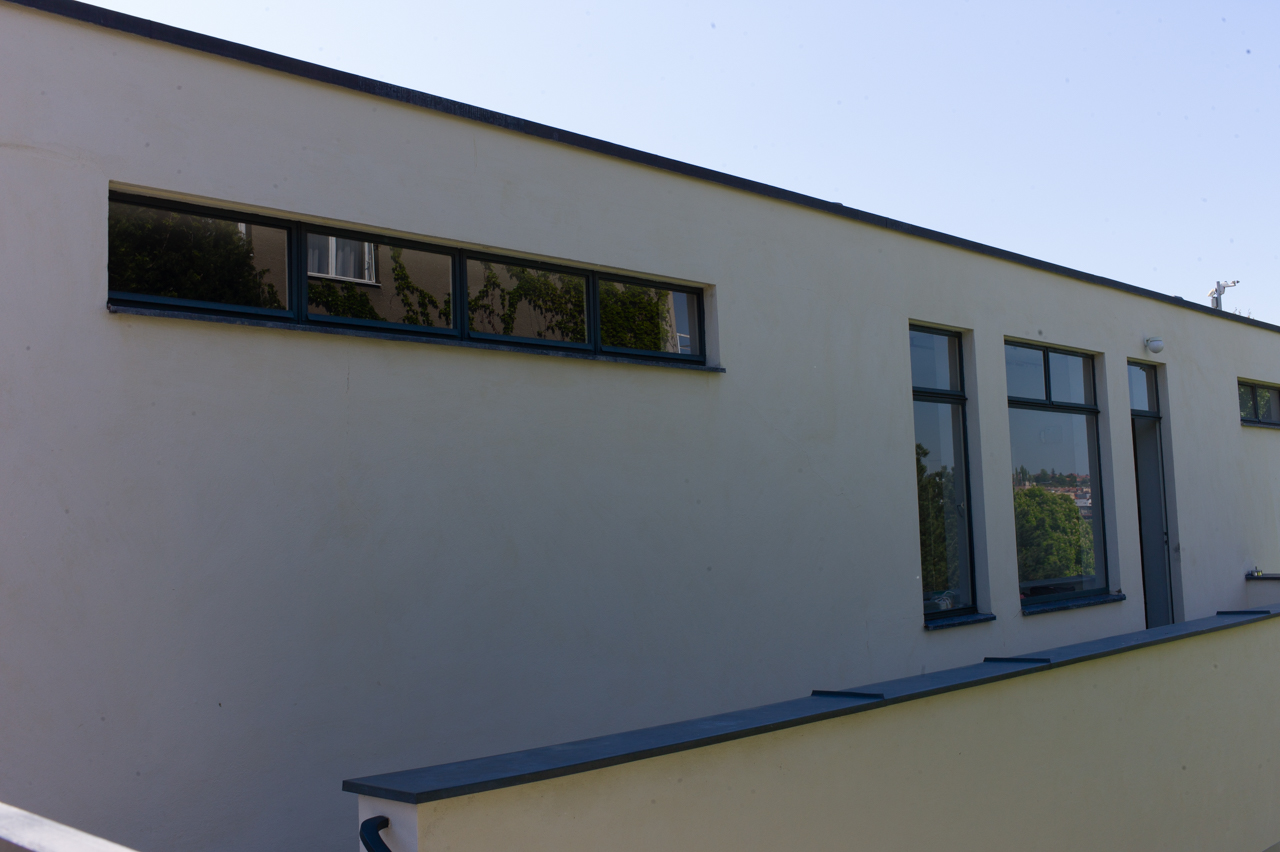
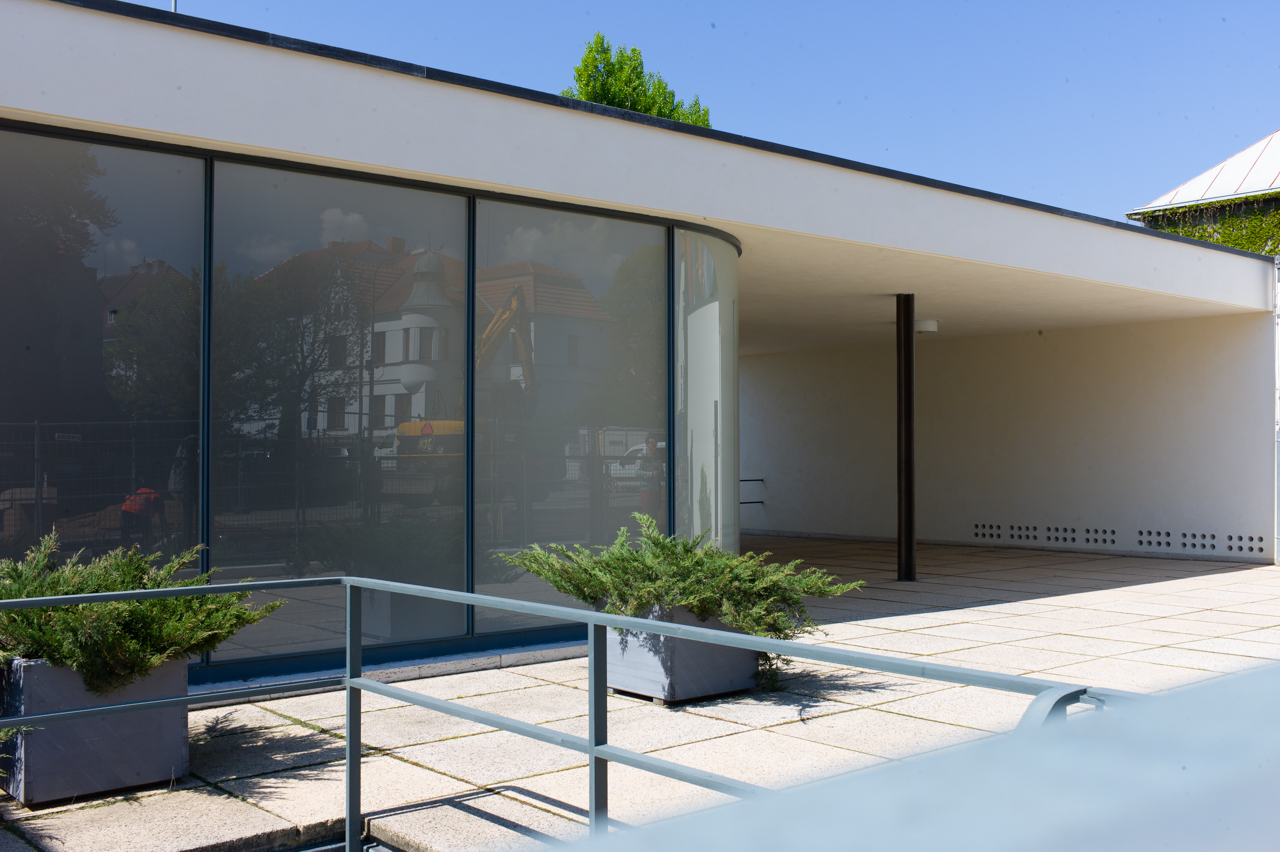
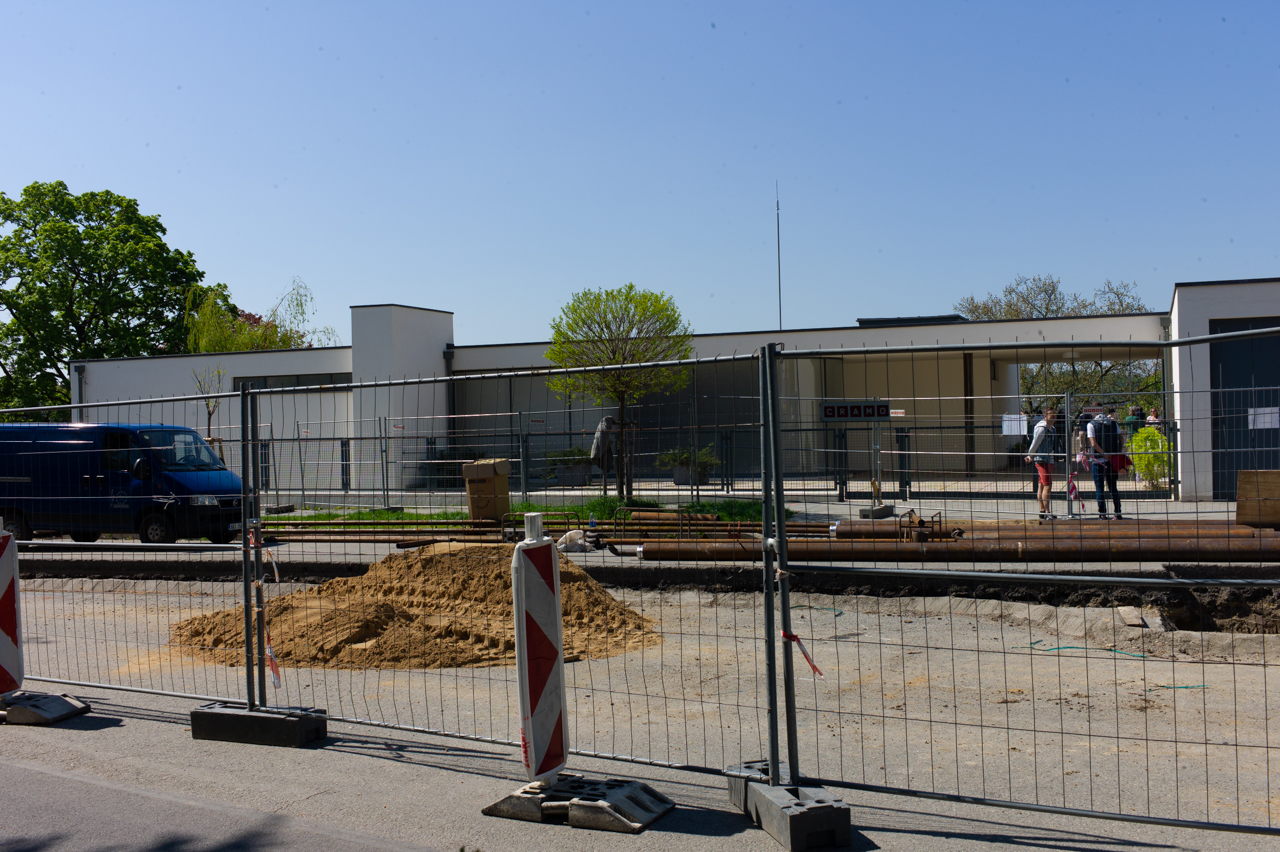
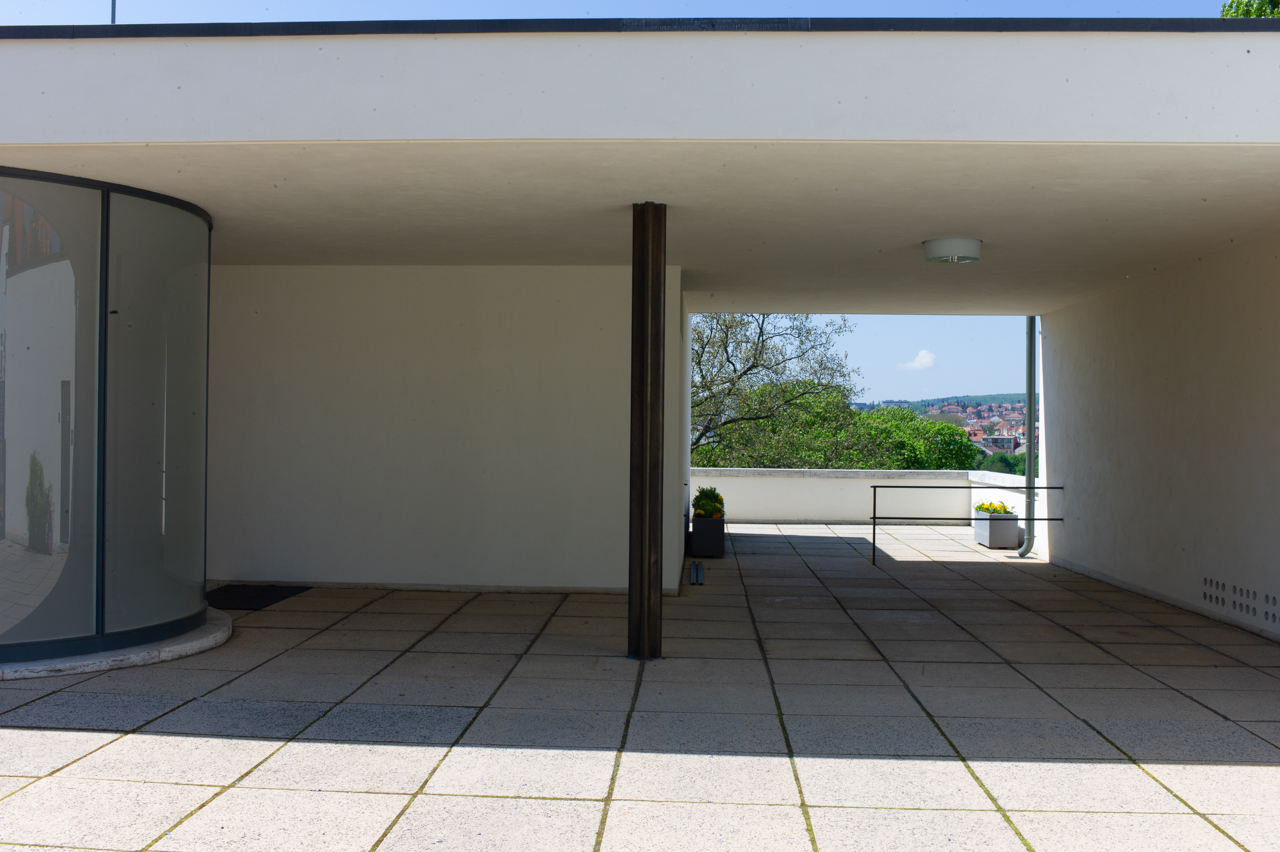

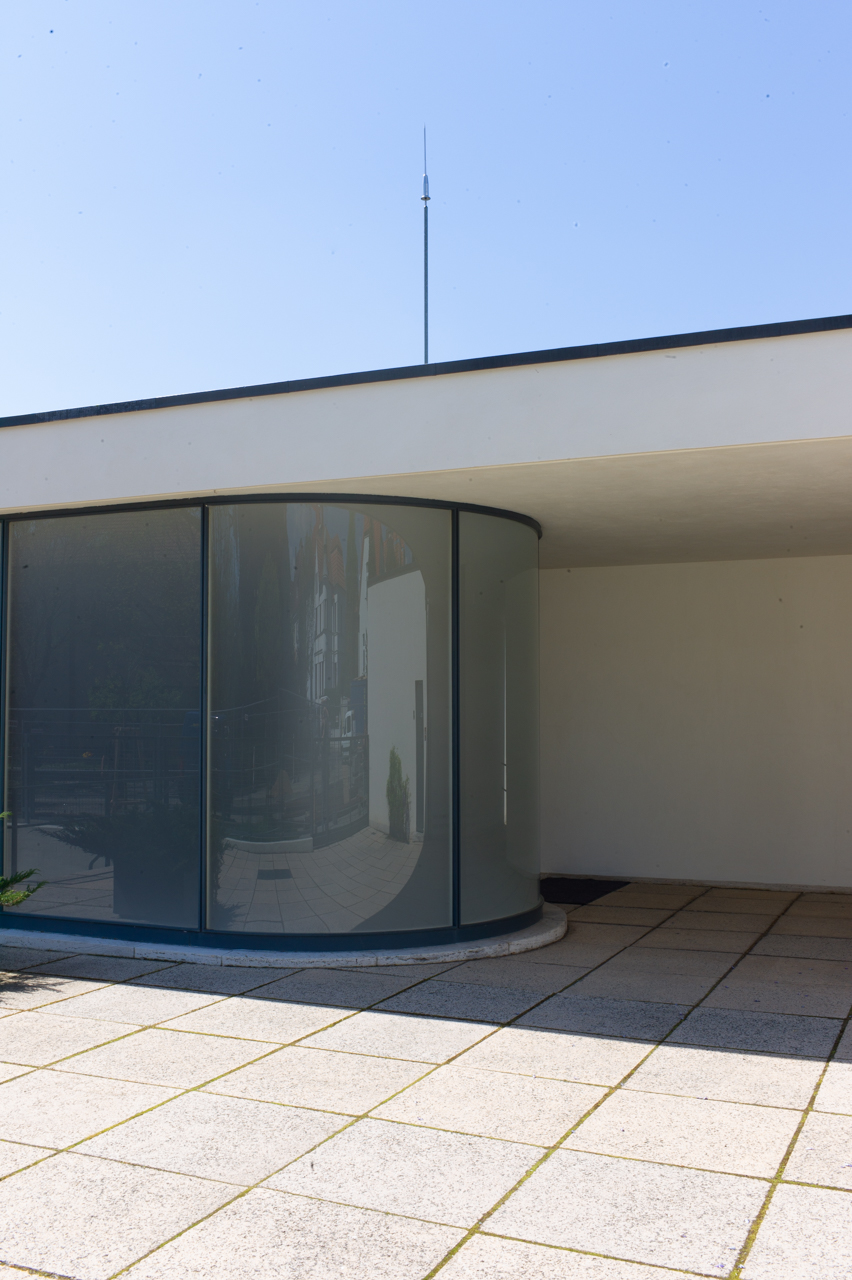
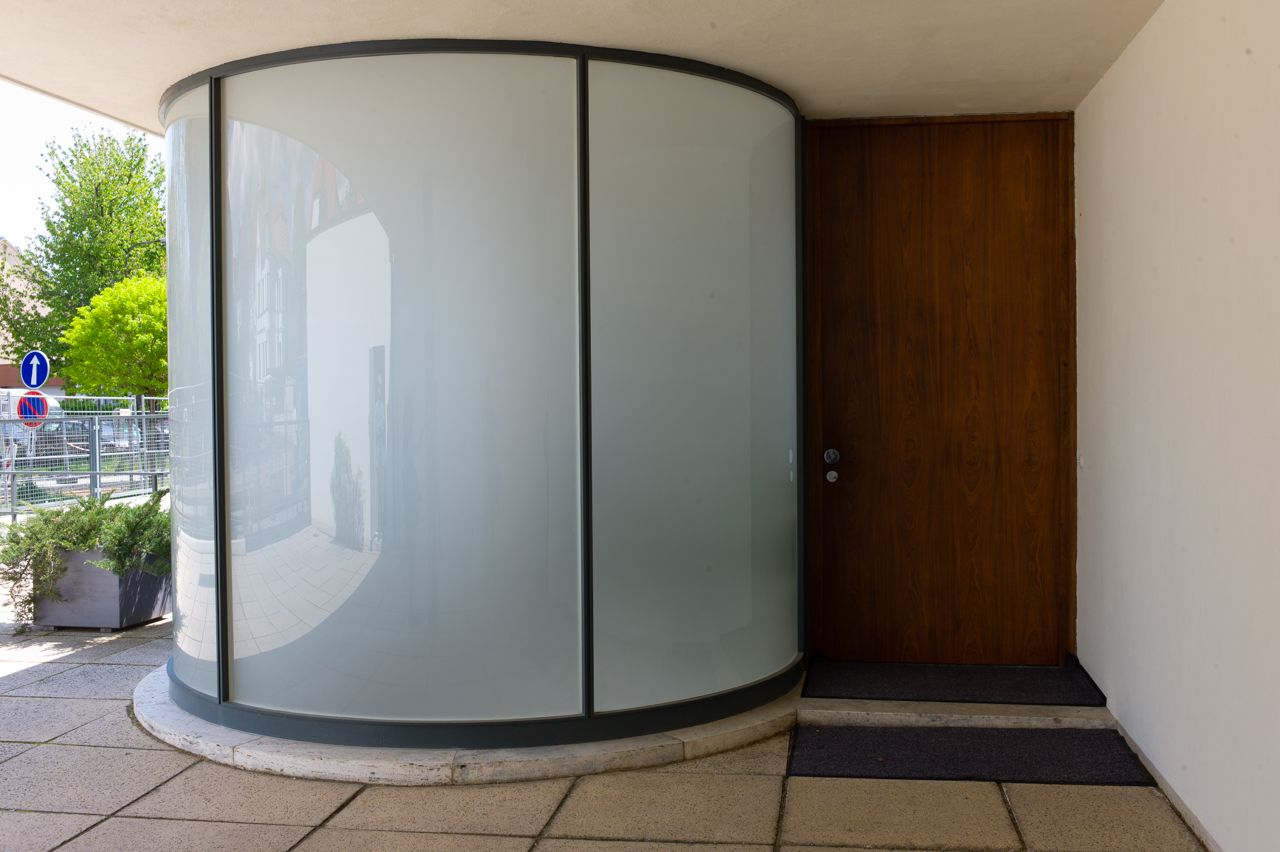
Mies first surveyed the Brno site in September 1928, and Grete and Fritz Tugendhat, who both came from prominent local textile-manufacturing families, were able to move into their new home in December 1930. Their idyll did not last long. Jews caught out in the wrong place at the wrong time, they fled in 1938 to Switzerland, and moved on three years later to Caracas, Venezuela.


The villa was confiscated by the Gestapo following the German invasion of March 1939 and was occupied by various German tenants, among them the Messerschmidt airplane company, throughout the war. Near the end of the war the building was was damaged by shelling, and the interior was devastated by Soviet soldiers who used it as a stable for their horses.
After the war the villa was repaired and let out as a ballet school. The Tugendhat family’s attempts to regain ownership were thwarted by the communist coup of February 1948, and in 1950 the house was given to the State Institute of Rehabilitation, which ran the building as part of the Brno Children’s Hospital until 1969. The various occupants all structurally modified the premises, and most of Mies’s original furnishings, including his trademark Barcelona chairs, disappeared.
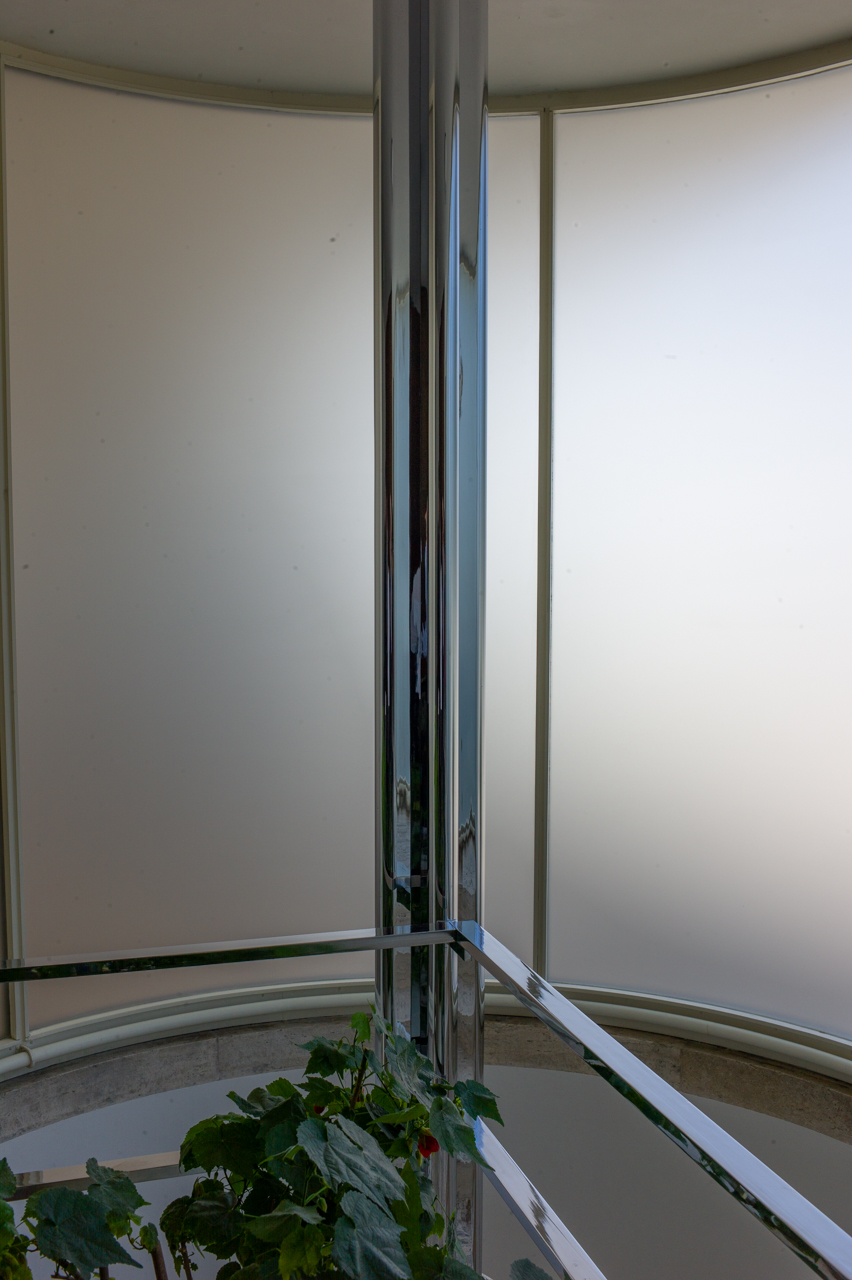
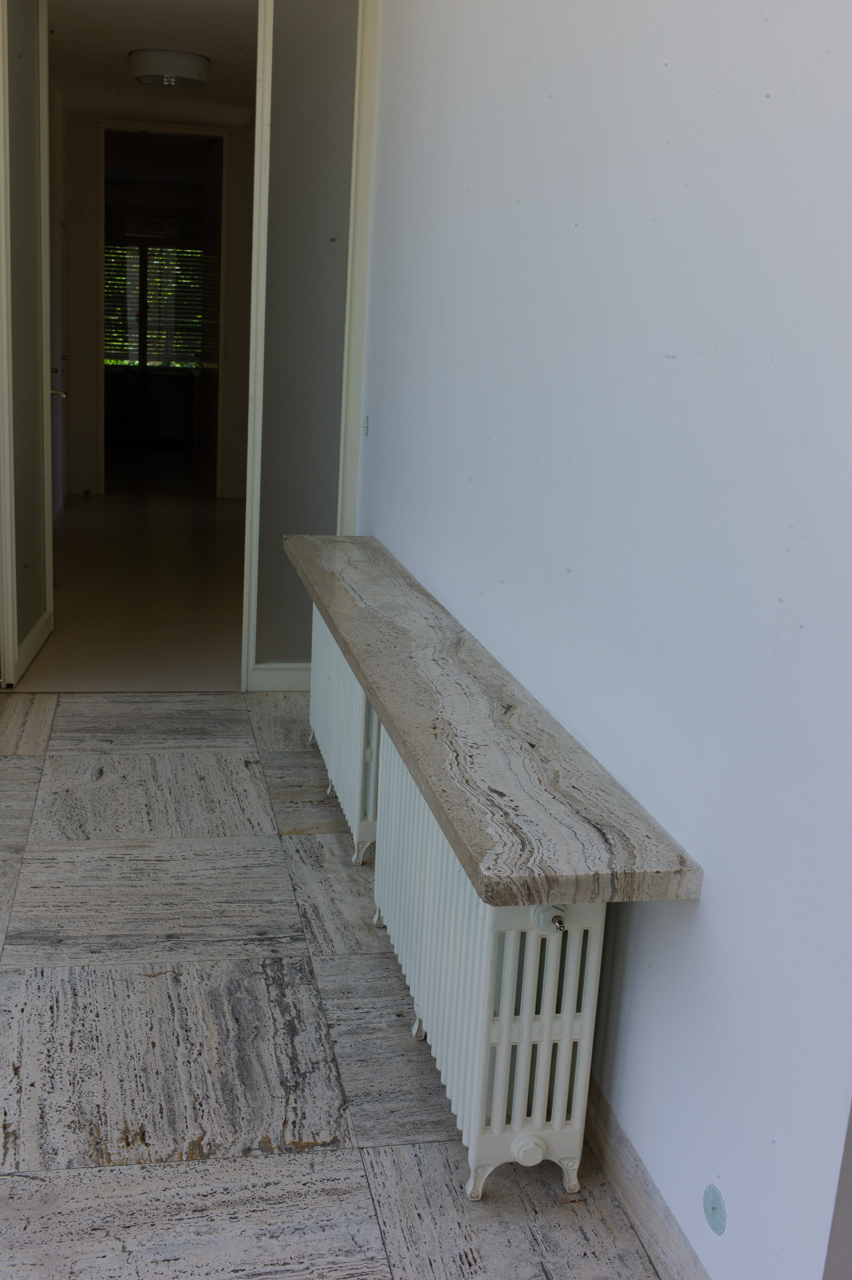

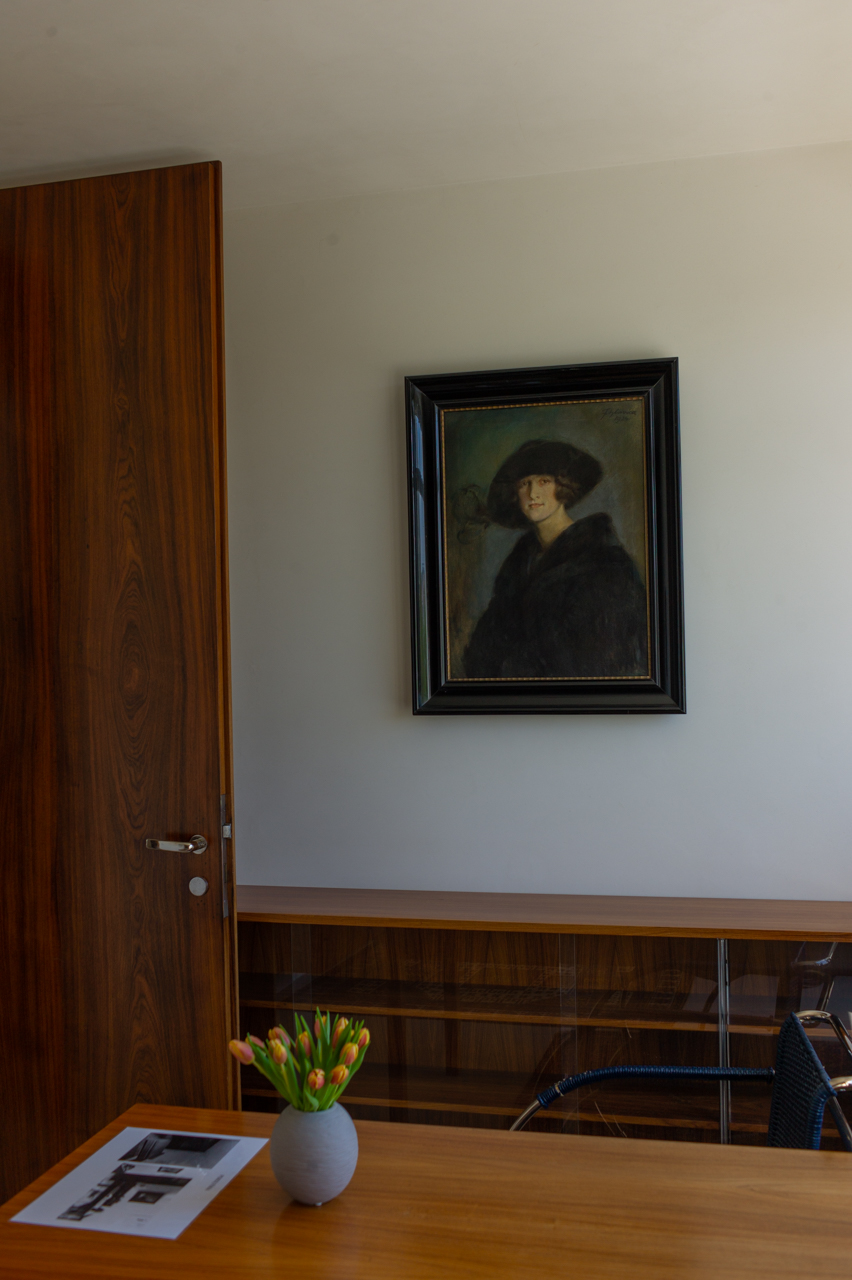
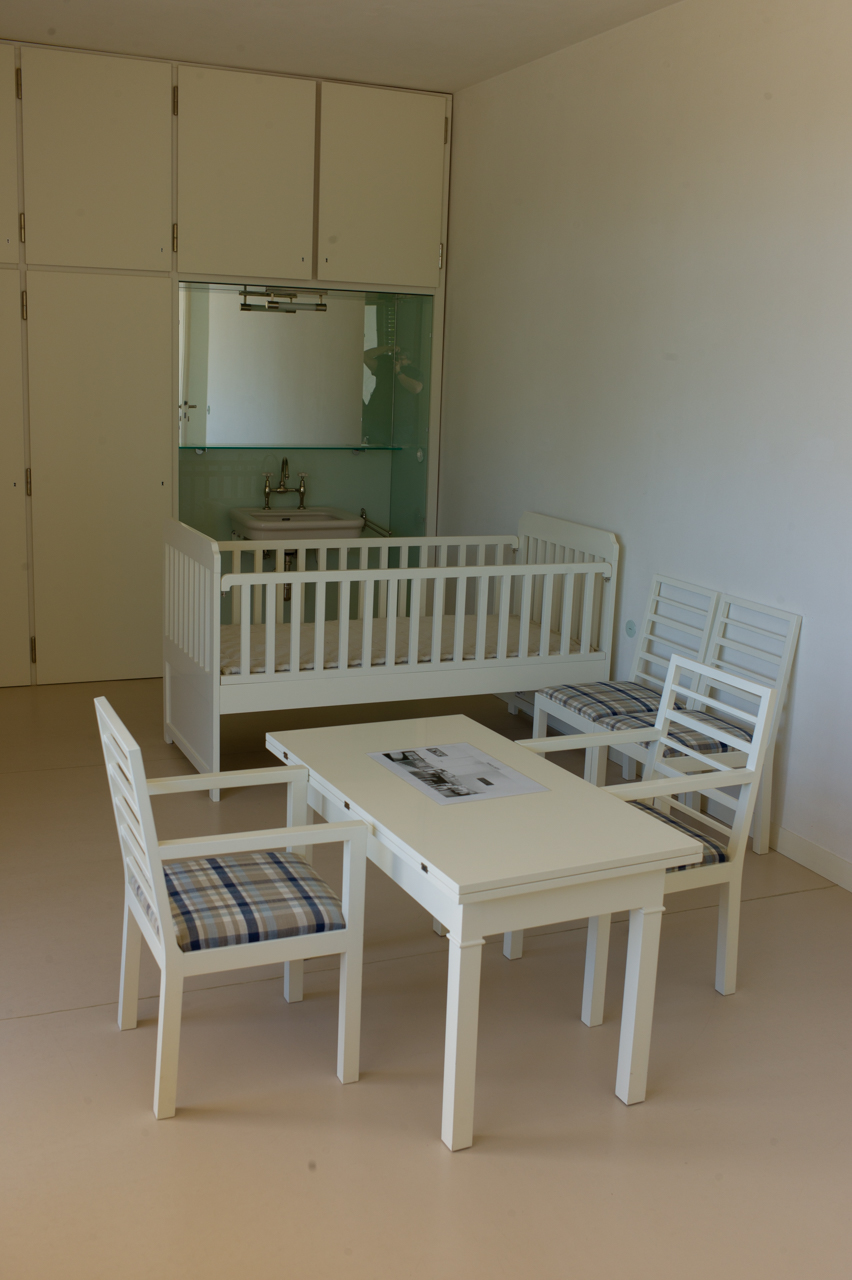
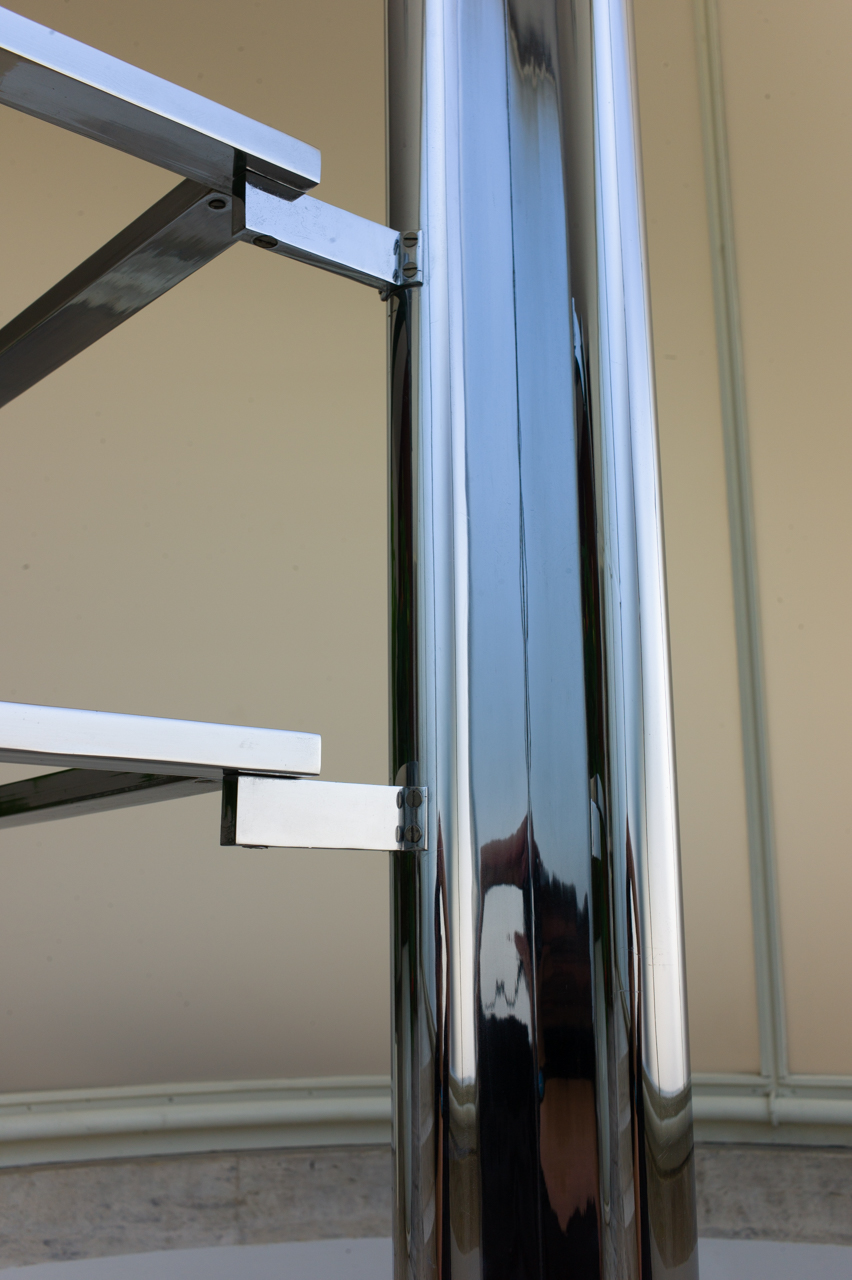
The villa was first officially recognized as a “site of special cultural interest” late in 1963, when the first tentative signs of a new Prague Spring were in the air. An exhibition of Mies’s work in 1968 at the Brno House of Art, followed by a conference on possible reconstruction in January 1969, gave hope of restoring the house to its original state. Ownership was transferred to the city of Brno a month later.
These efforts in turn foundered on the politics of the “normalization” that followed the Soviet invasion of Czechoslovakia in August 1968.
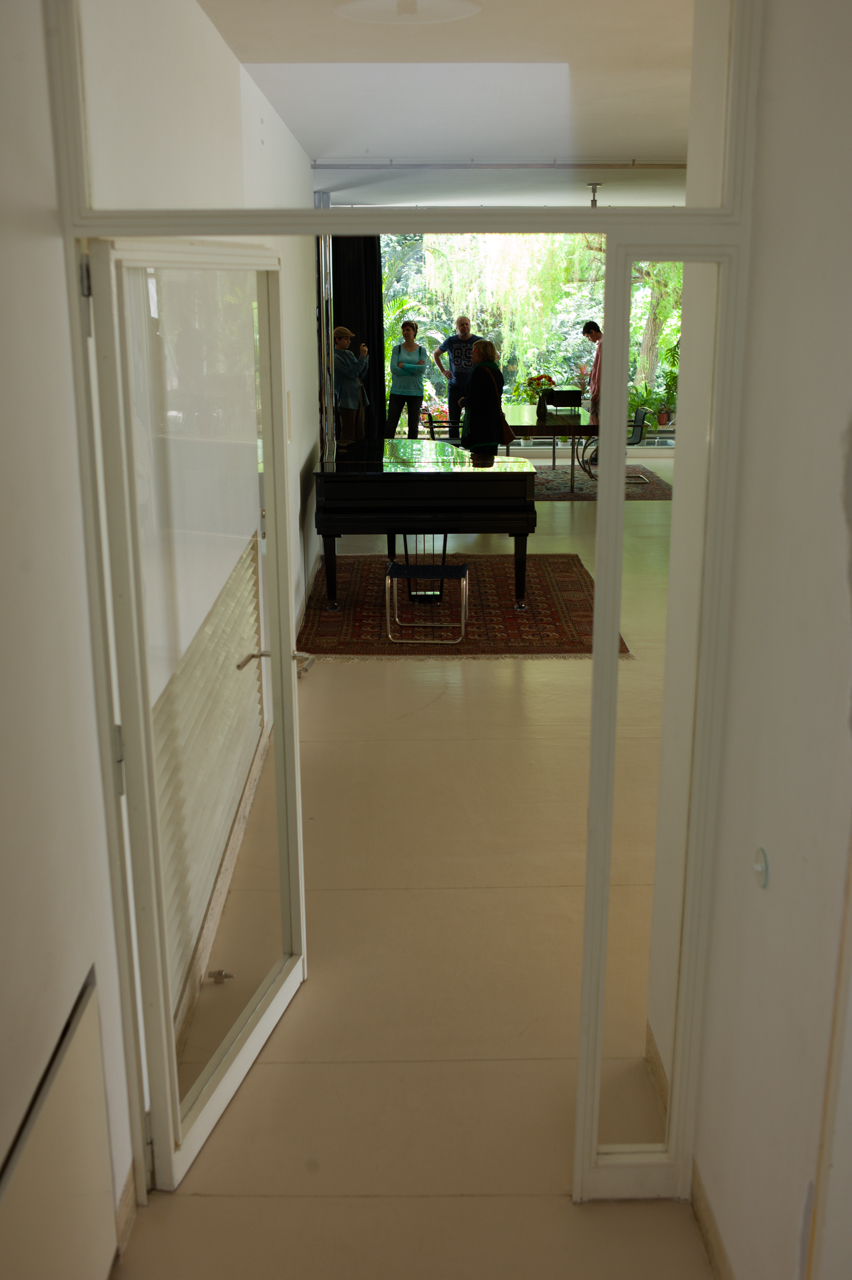
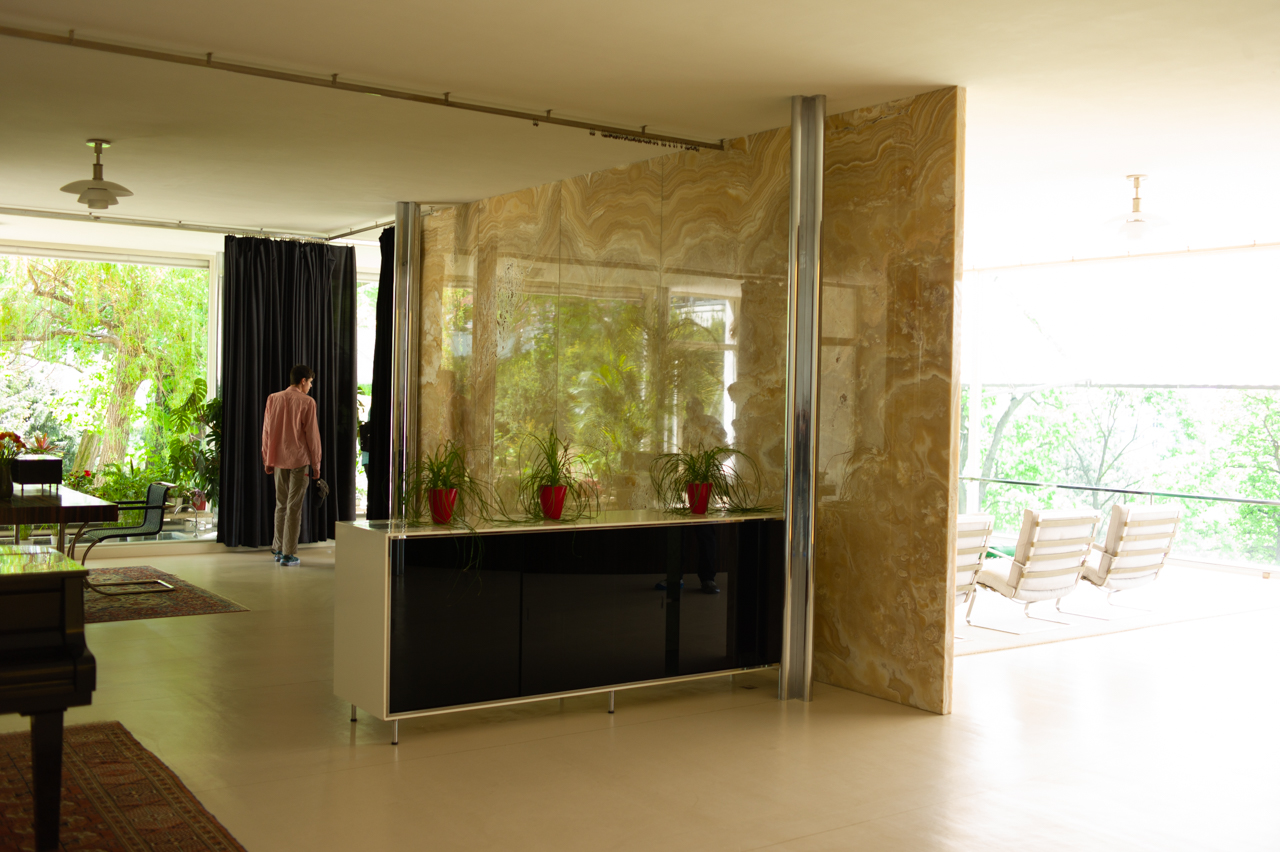


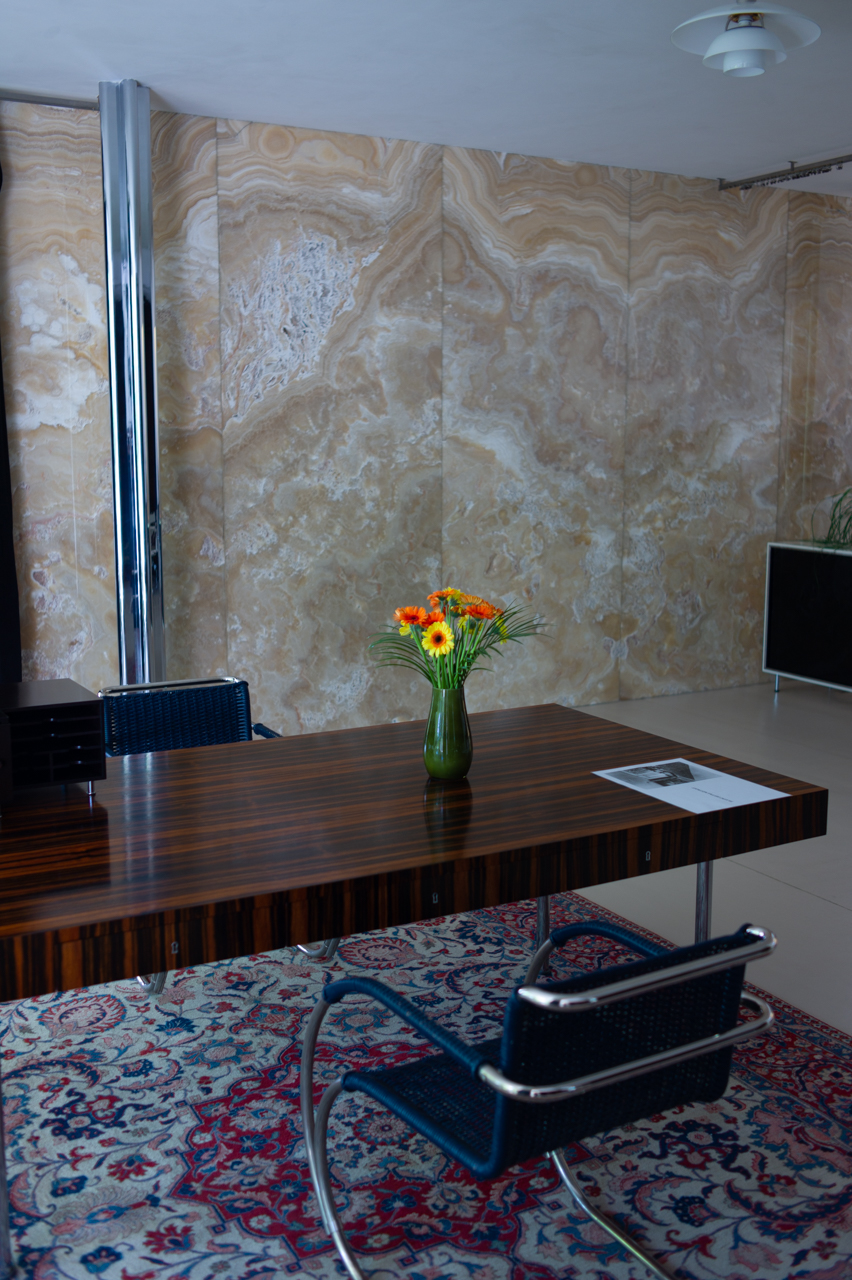
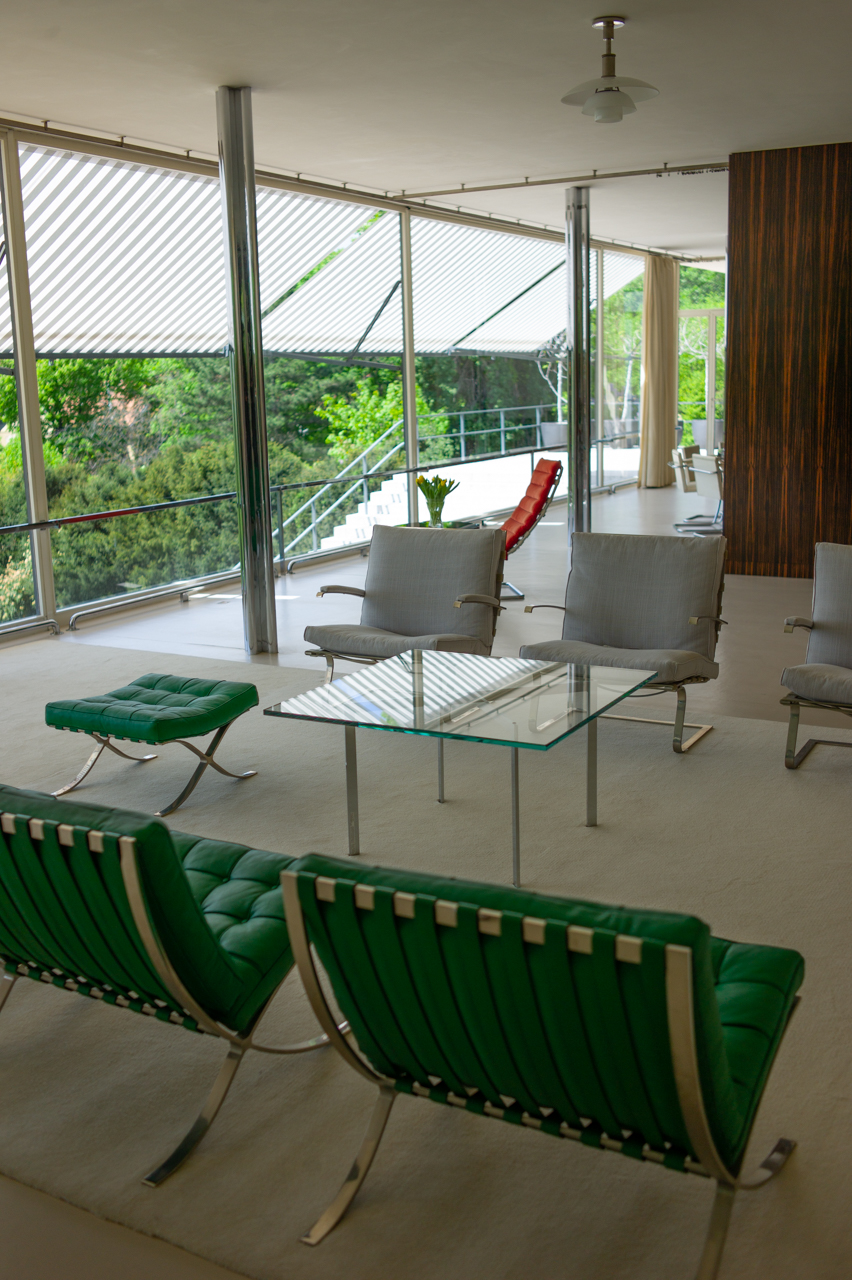
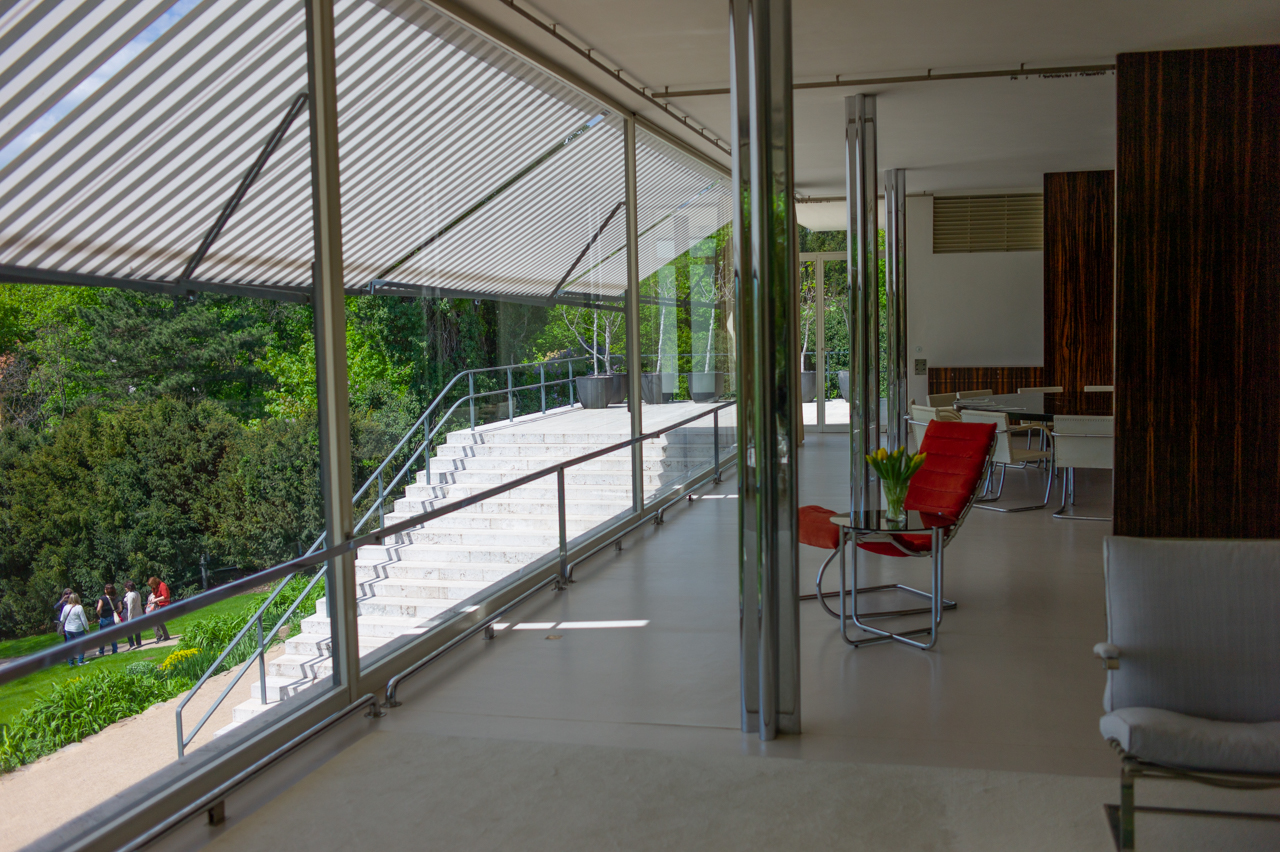
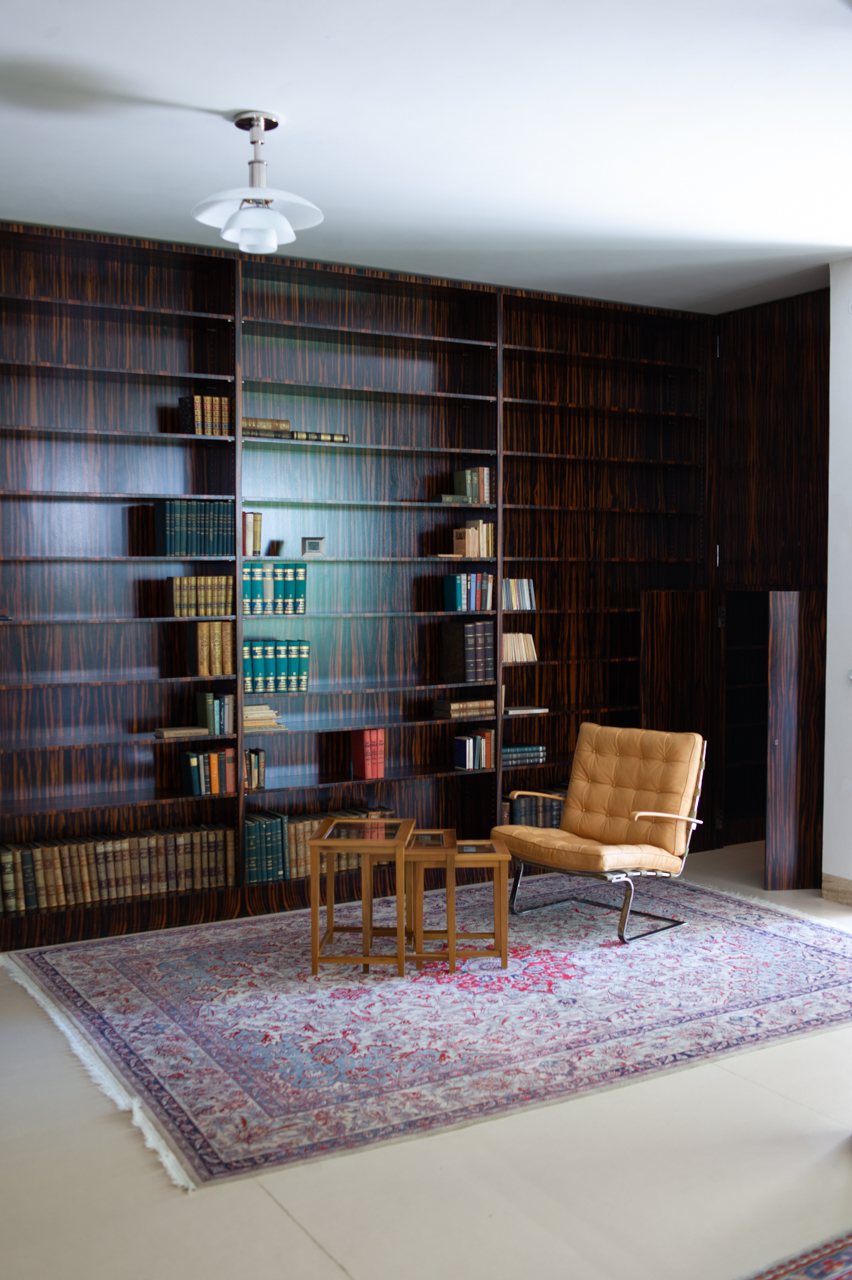
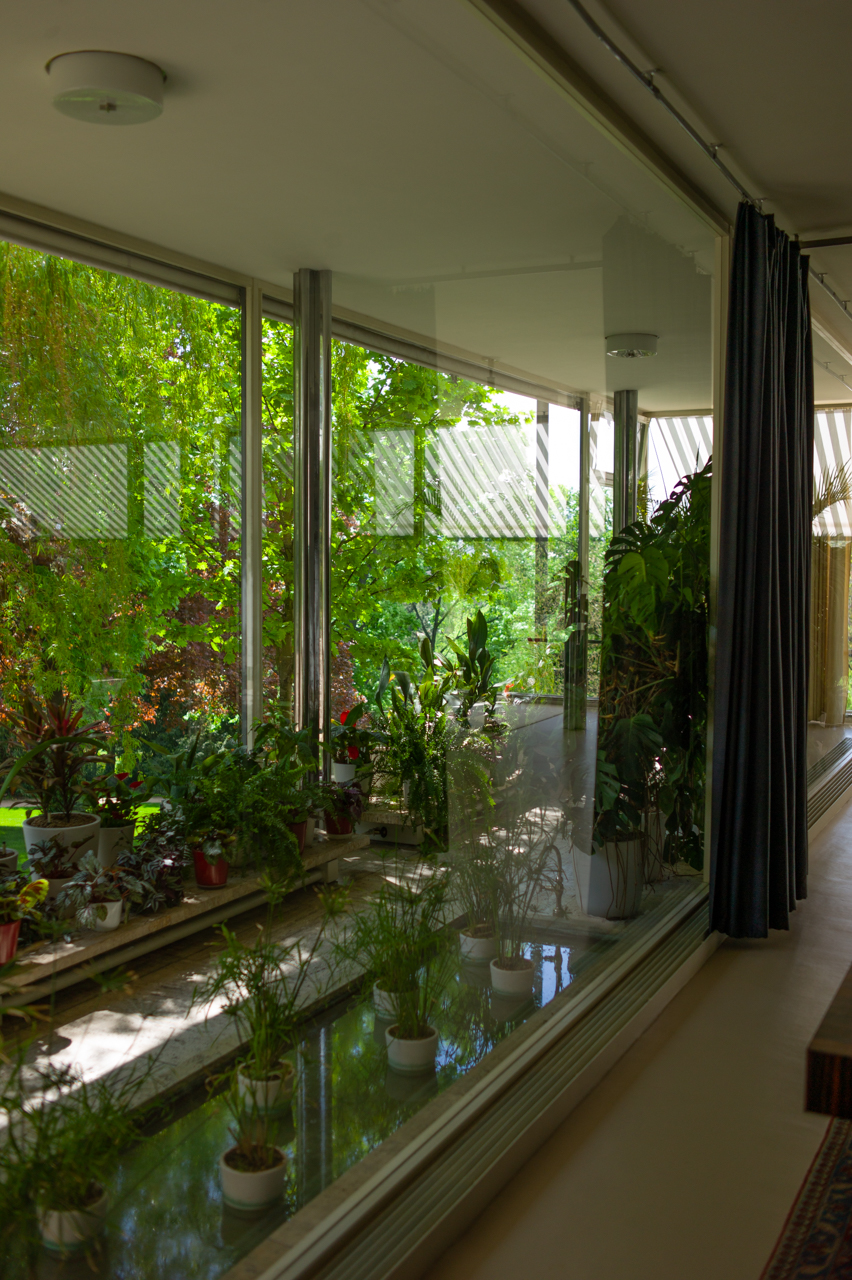

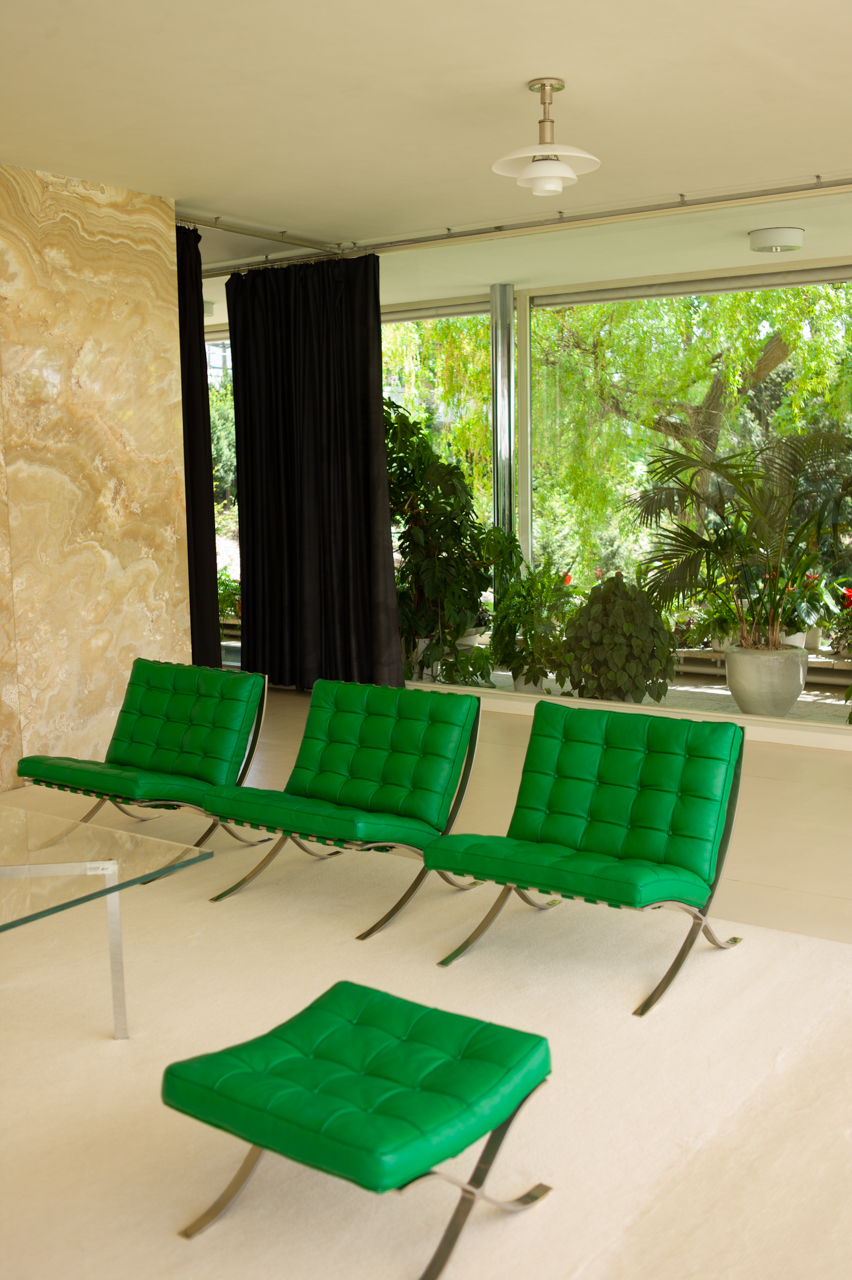
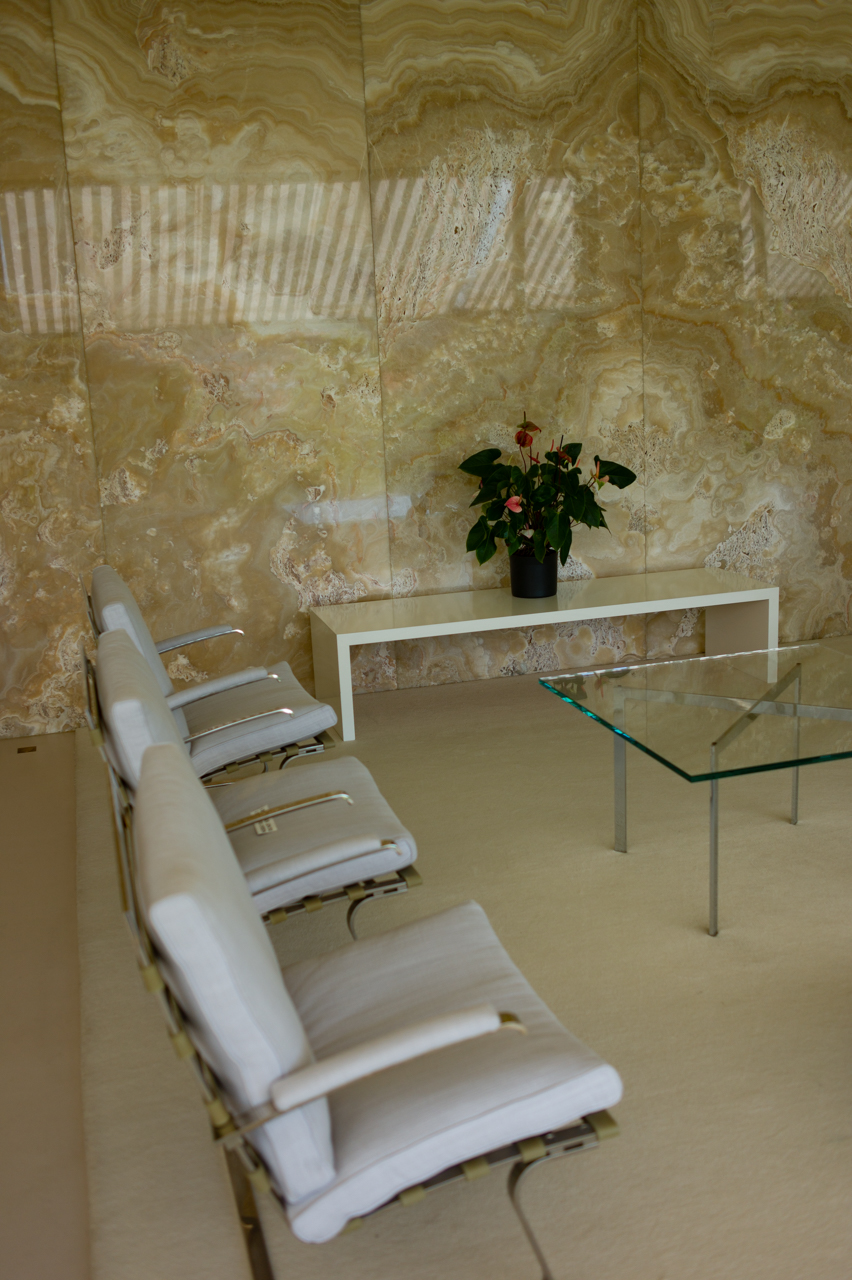
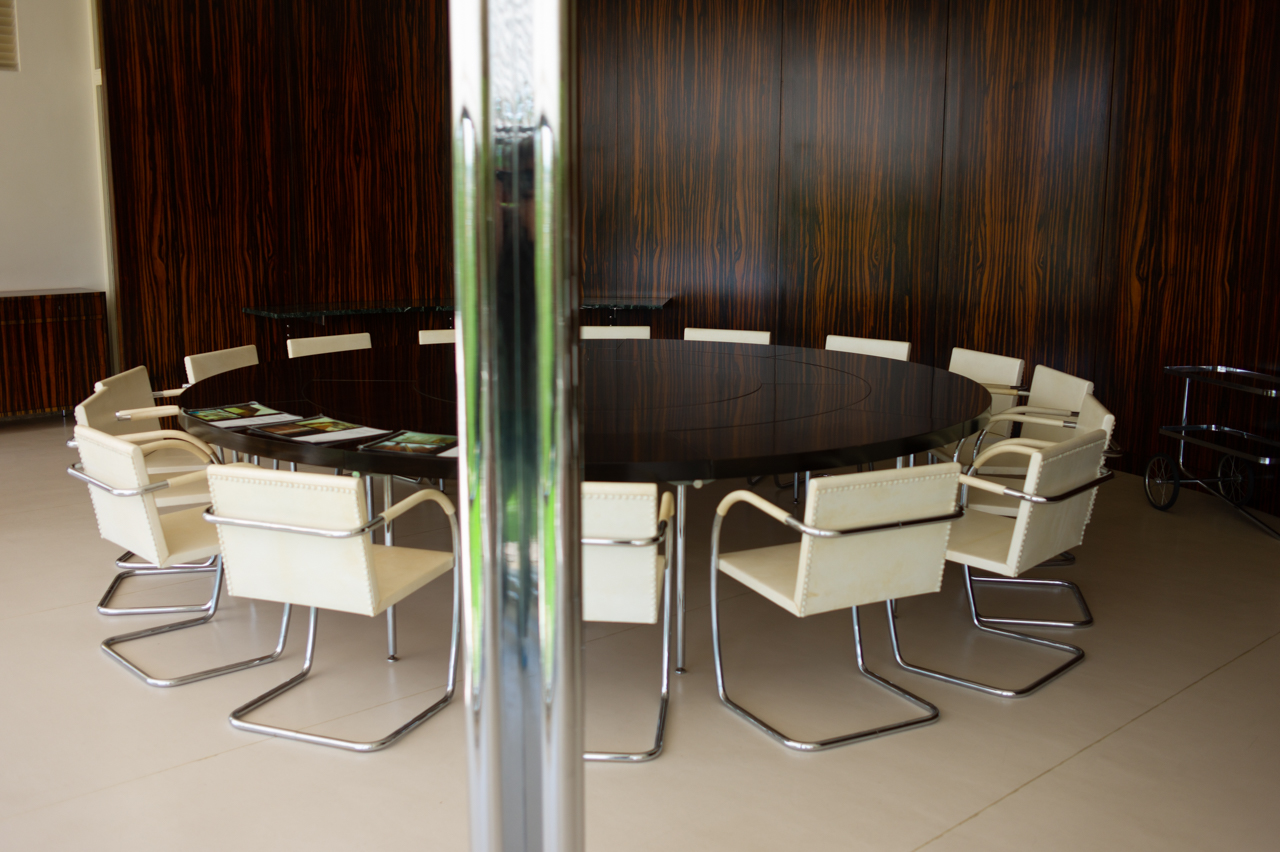
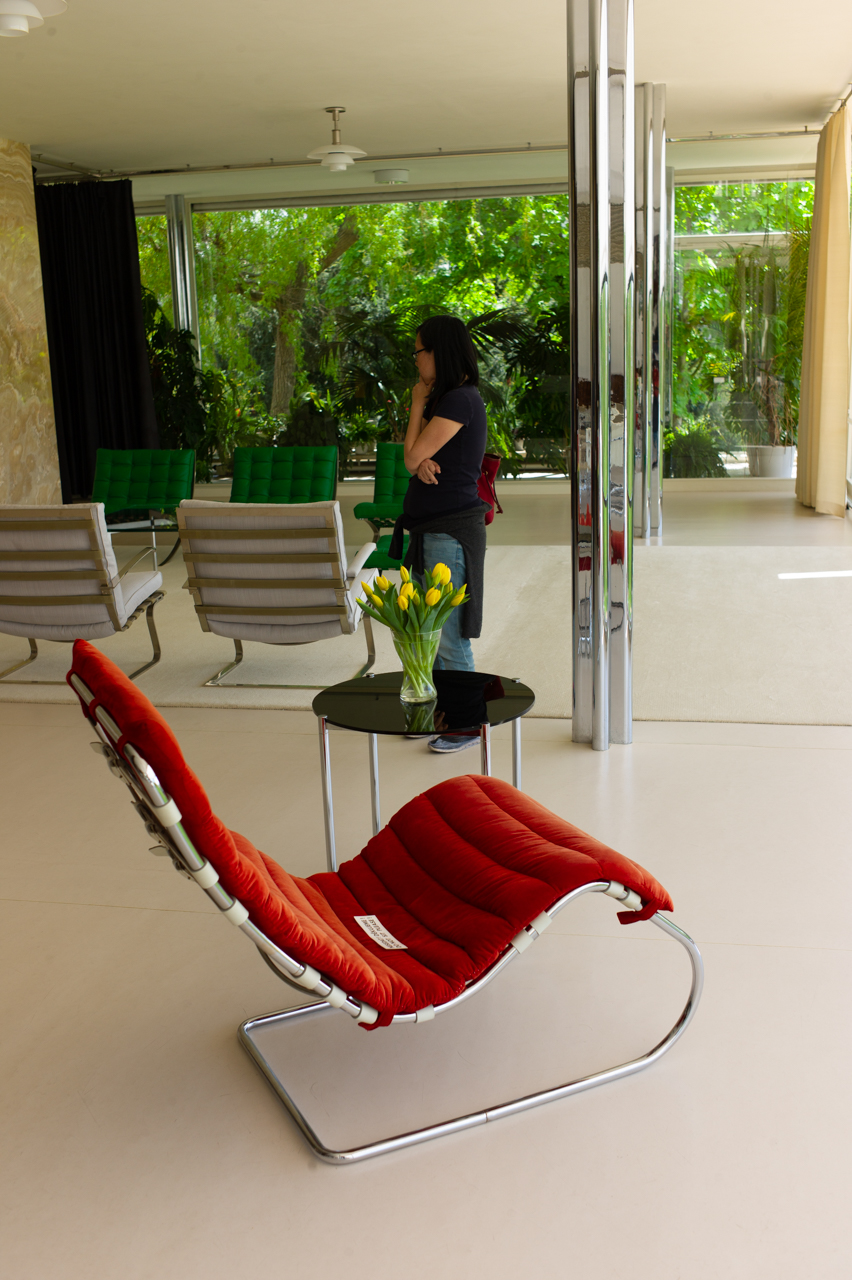
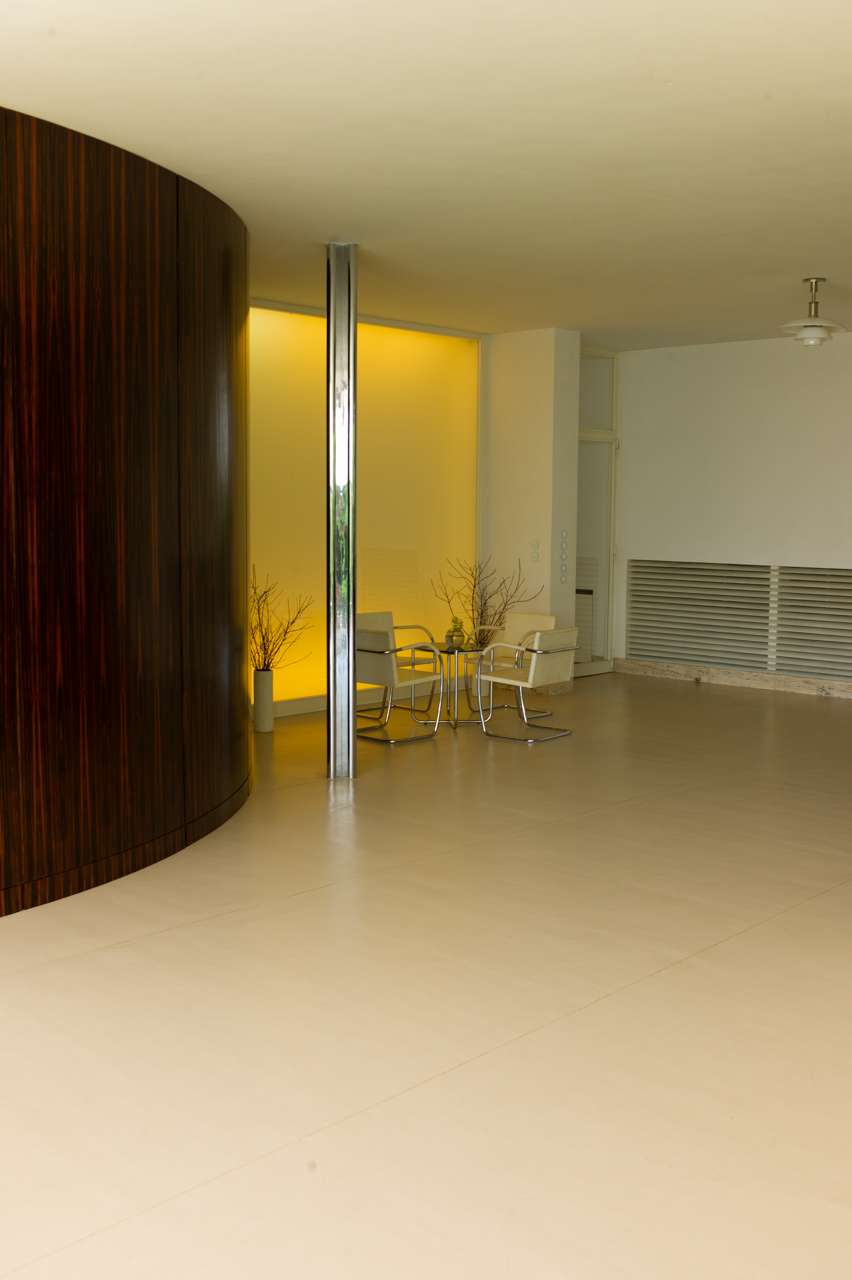
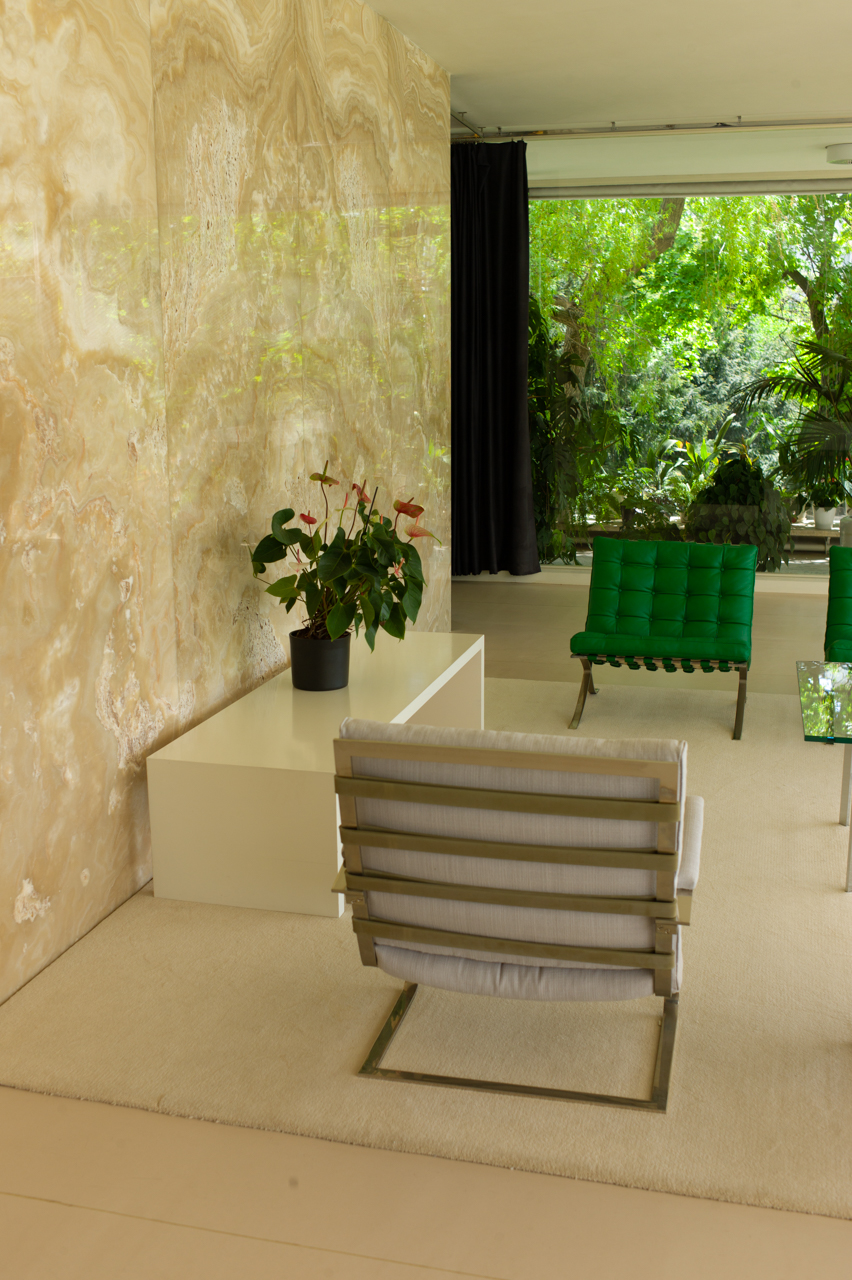

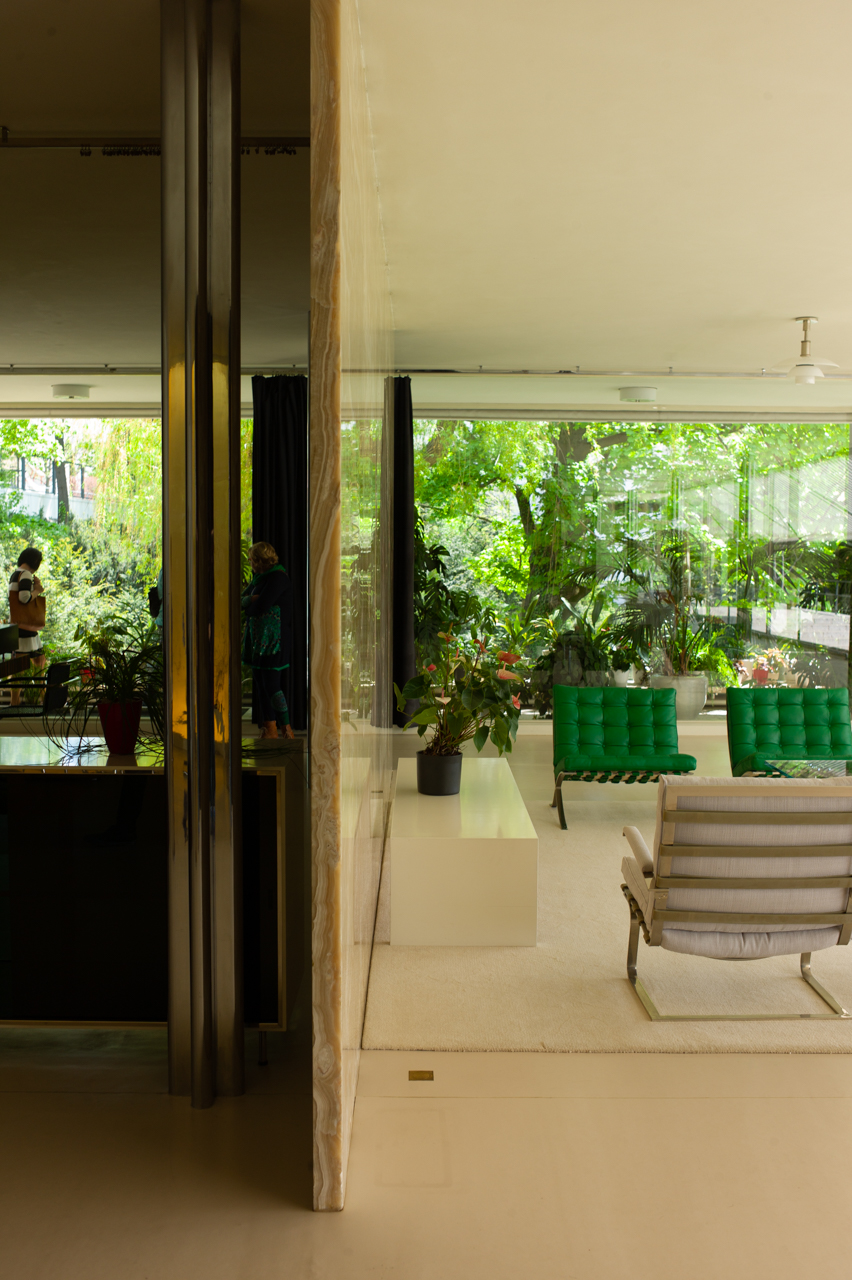

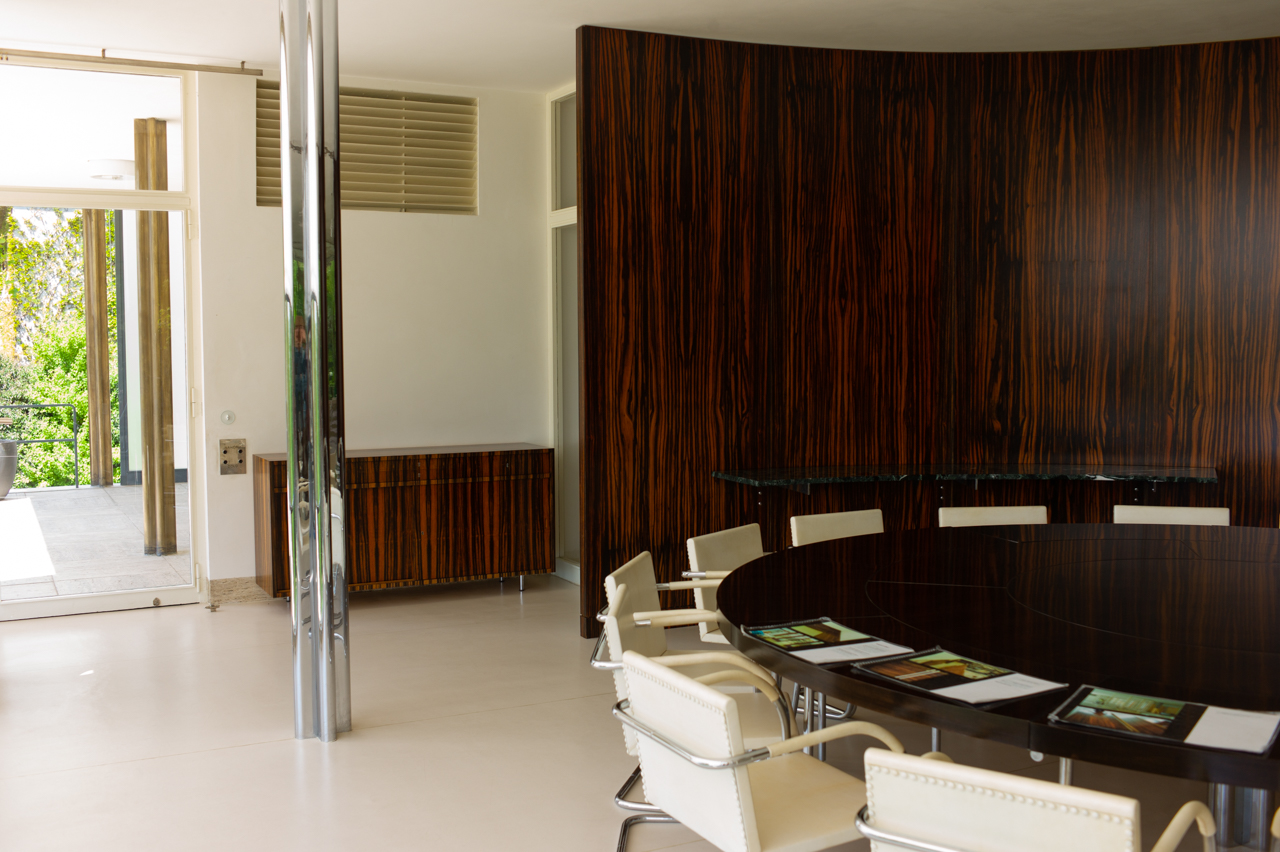
Reconstruction was stalled until 1982–1985, and the villa served in the meantime as a depository for the archives of the Institute of Marxism-Leninism. After the restoration—an architecturally sensitive one, in the circumstances—the house became an accommodation and meeting center for Brno city administration. It was here, around Mies’s magnificent round ebony dining table, that secret negotiations took place in 1992 for the division of Czechoslovakia into two separate states.
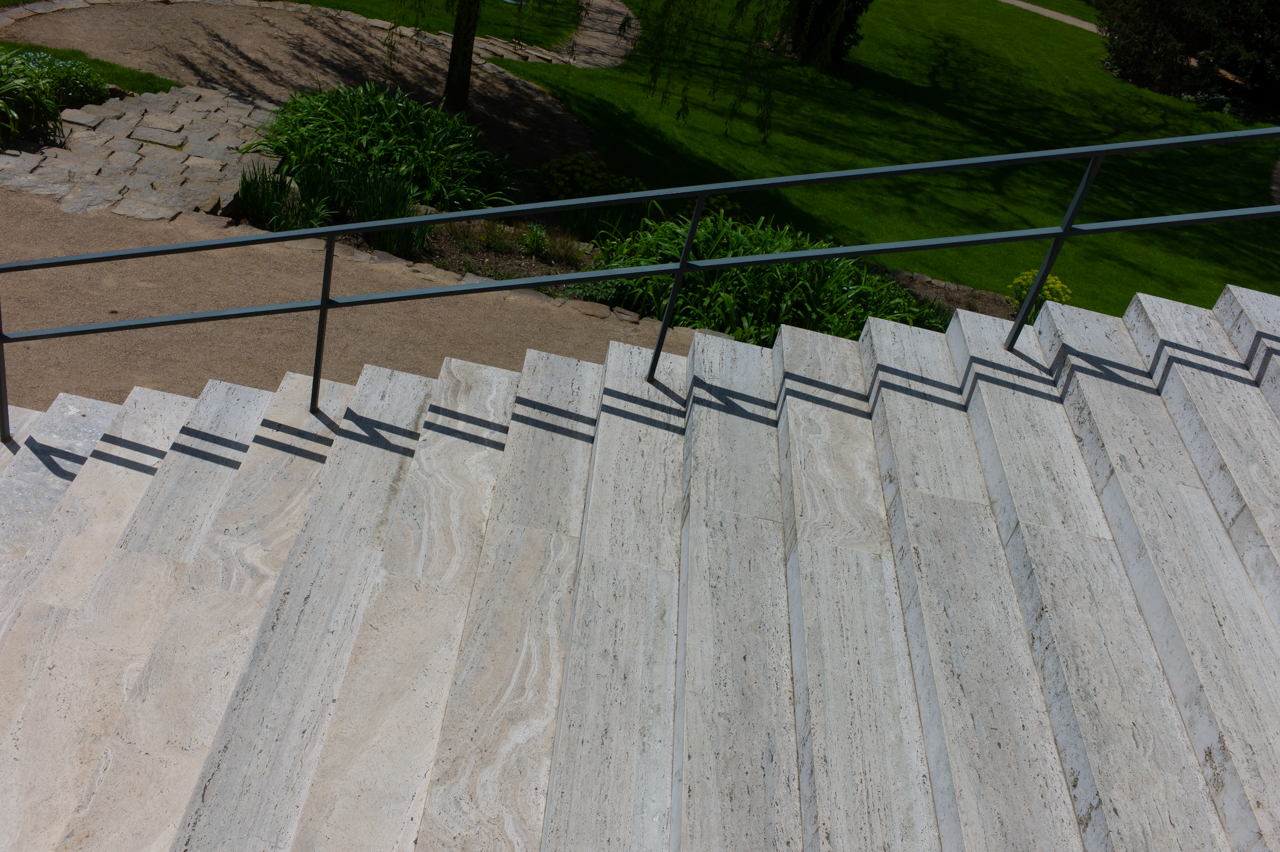
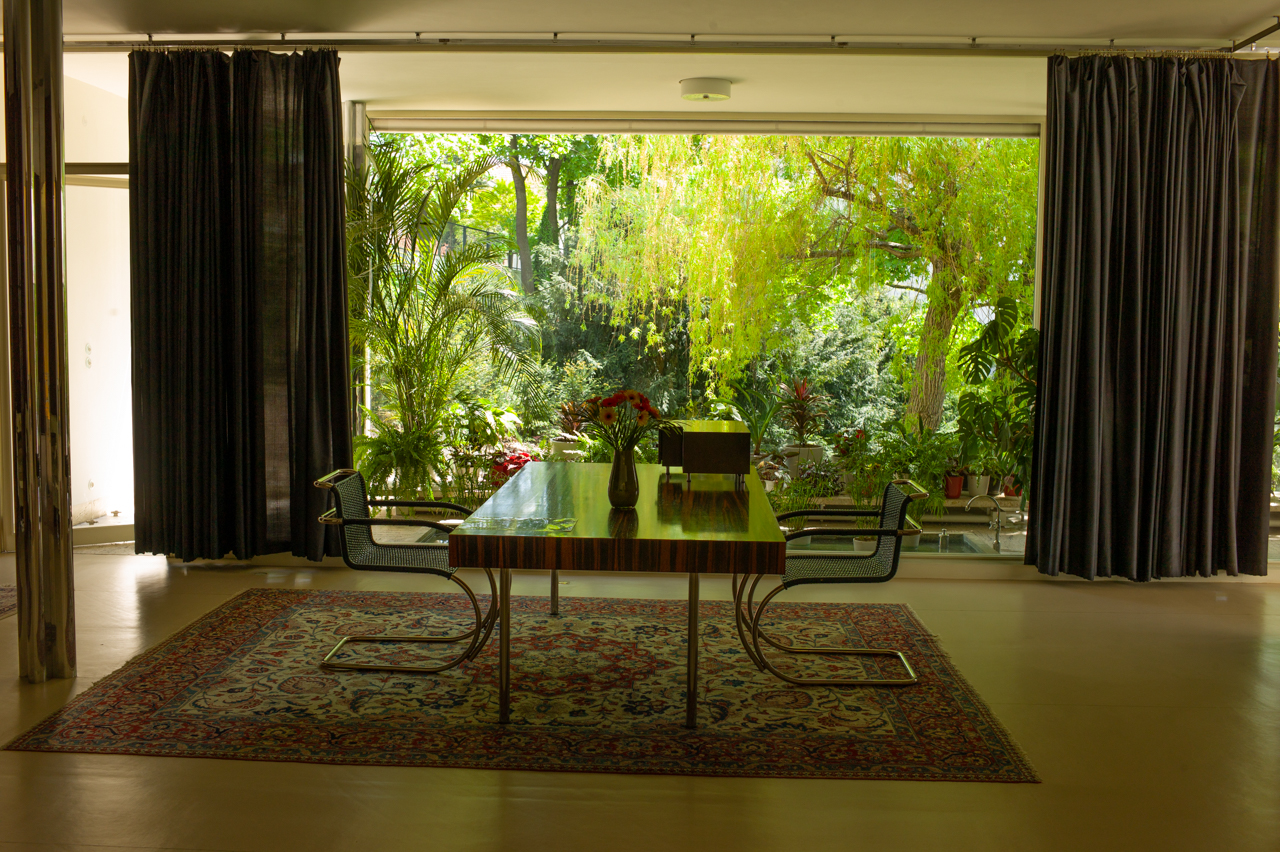
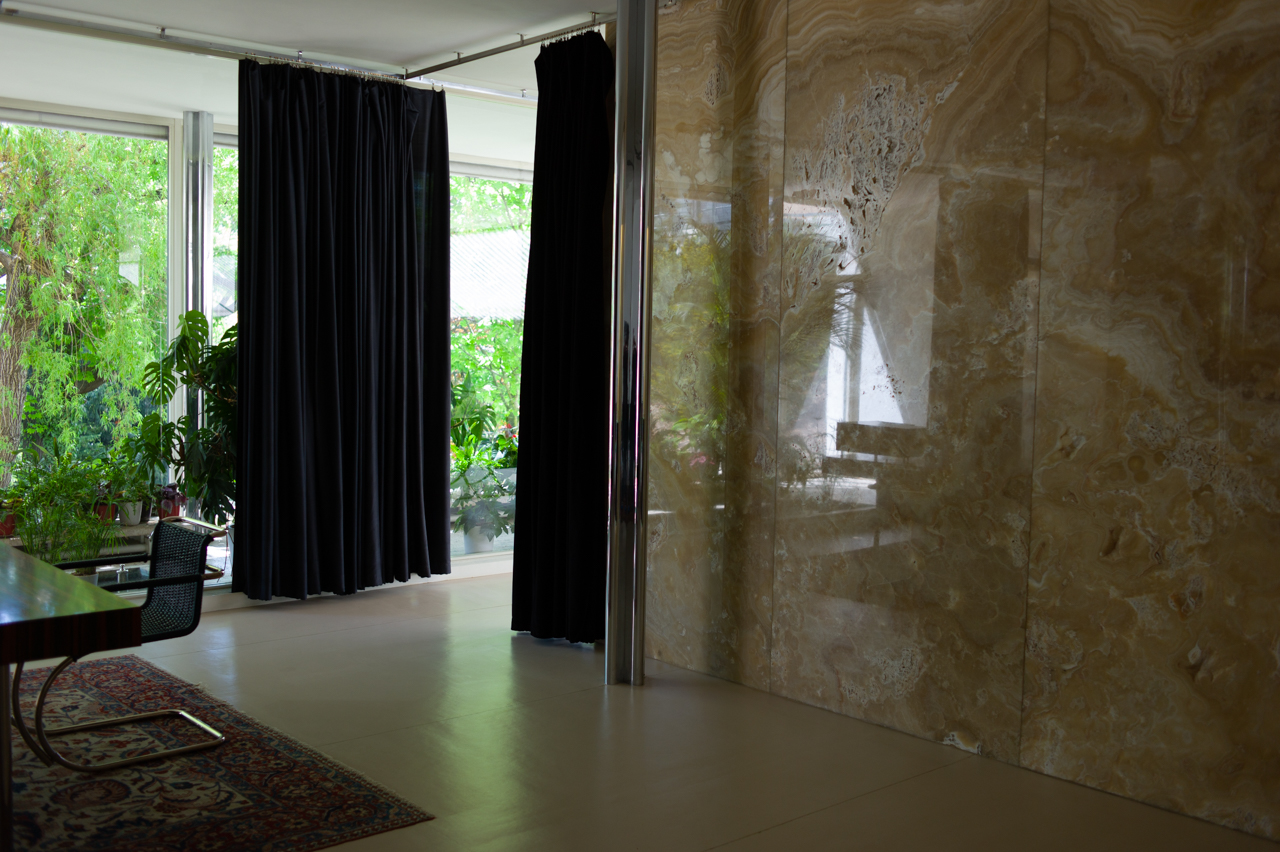
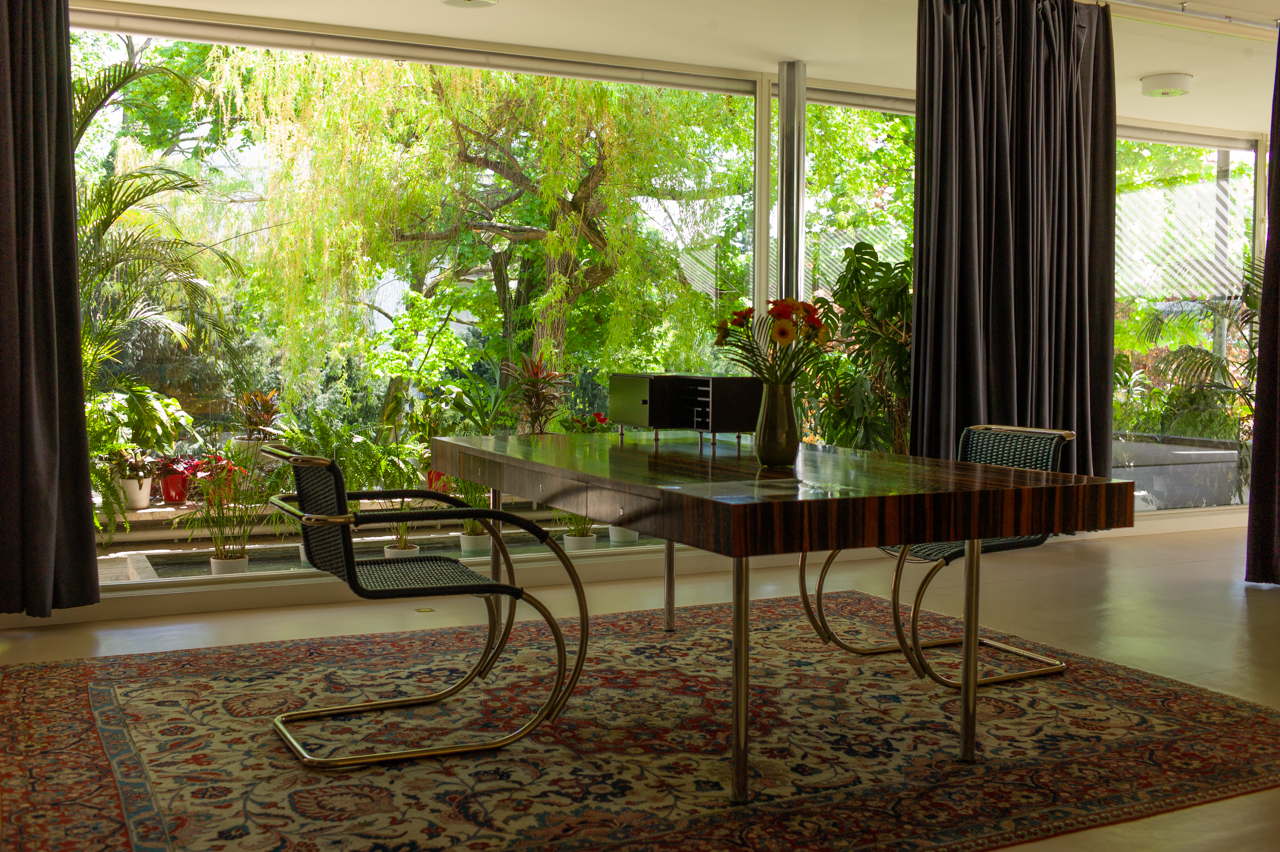
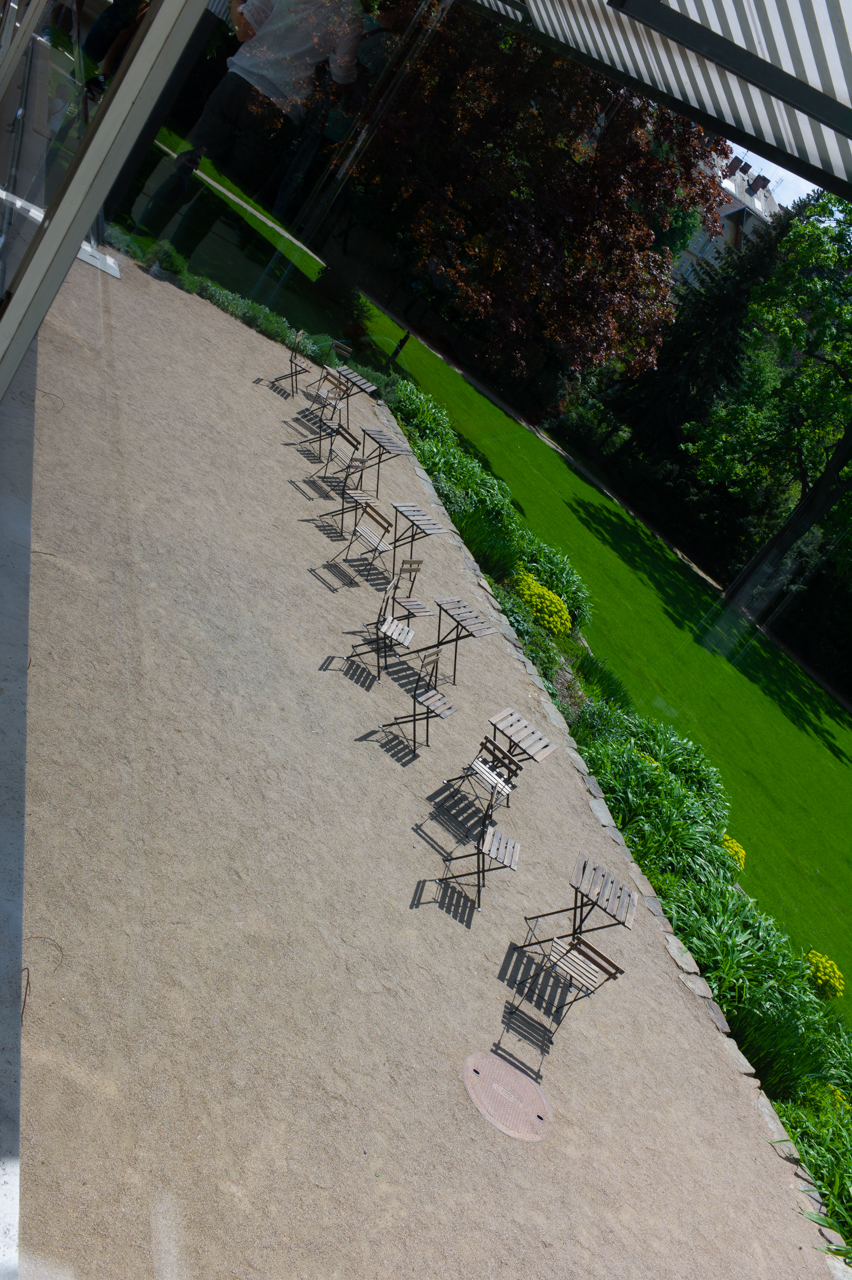

The villa was finally handed over to Brno City Museum and opened to the public in 1994. It was officially granted “National Cultural Monument” status a year later. Lawsuits meantime continued to rumble on with Fritz and Greta’s children, who had not yet given up hope of recovering a lost family home that had a very different meaning for them. They were not successful. The house remained in the hands of the Brno City Museum, and a more comprehensive restoration was completed in 2012.
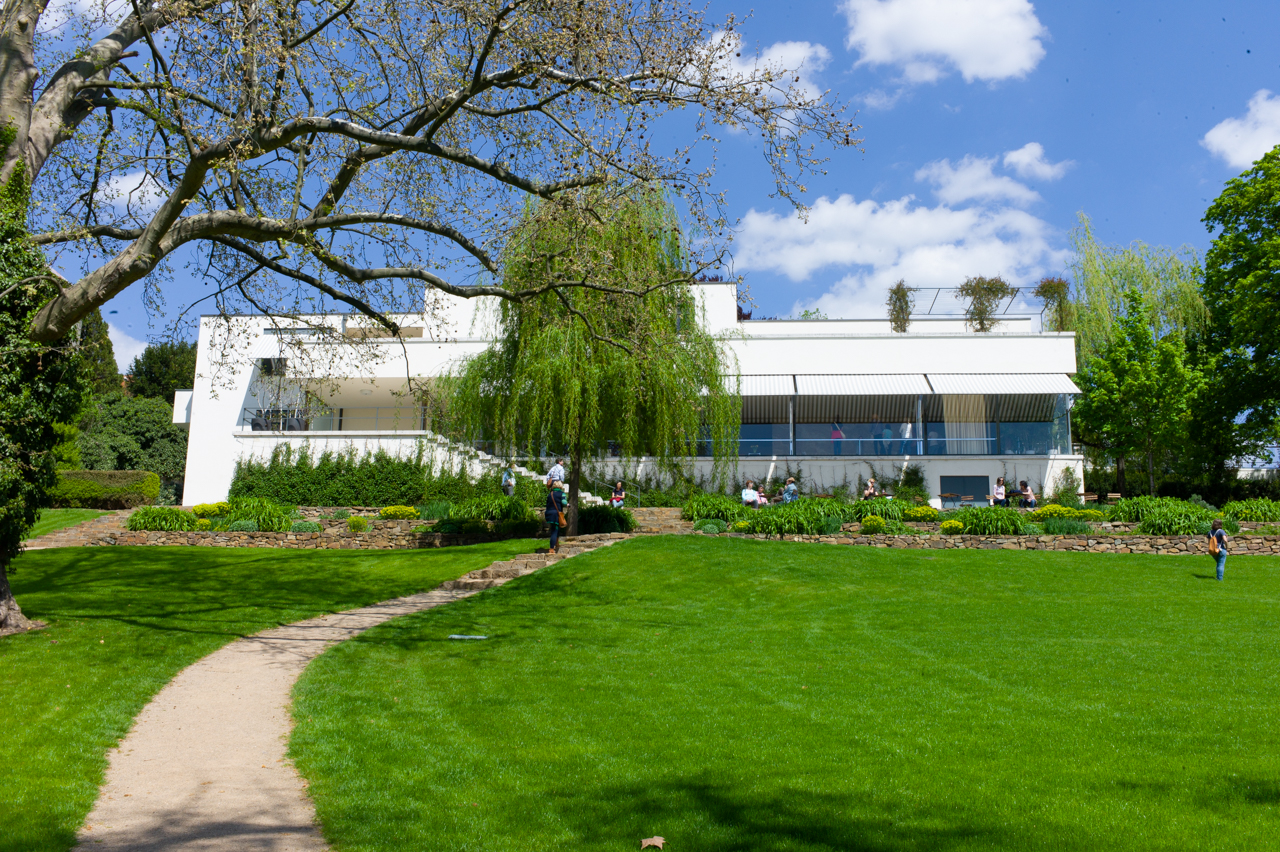
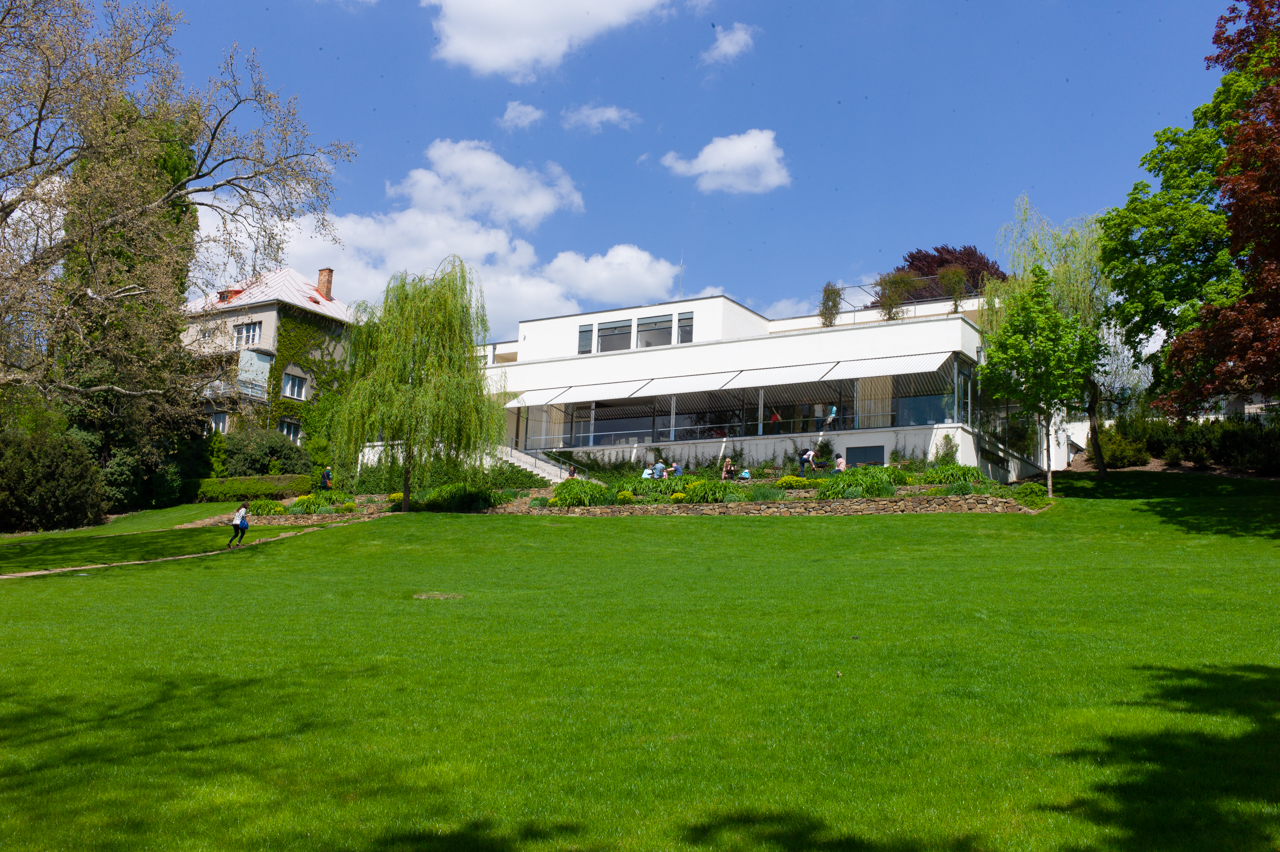

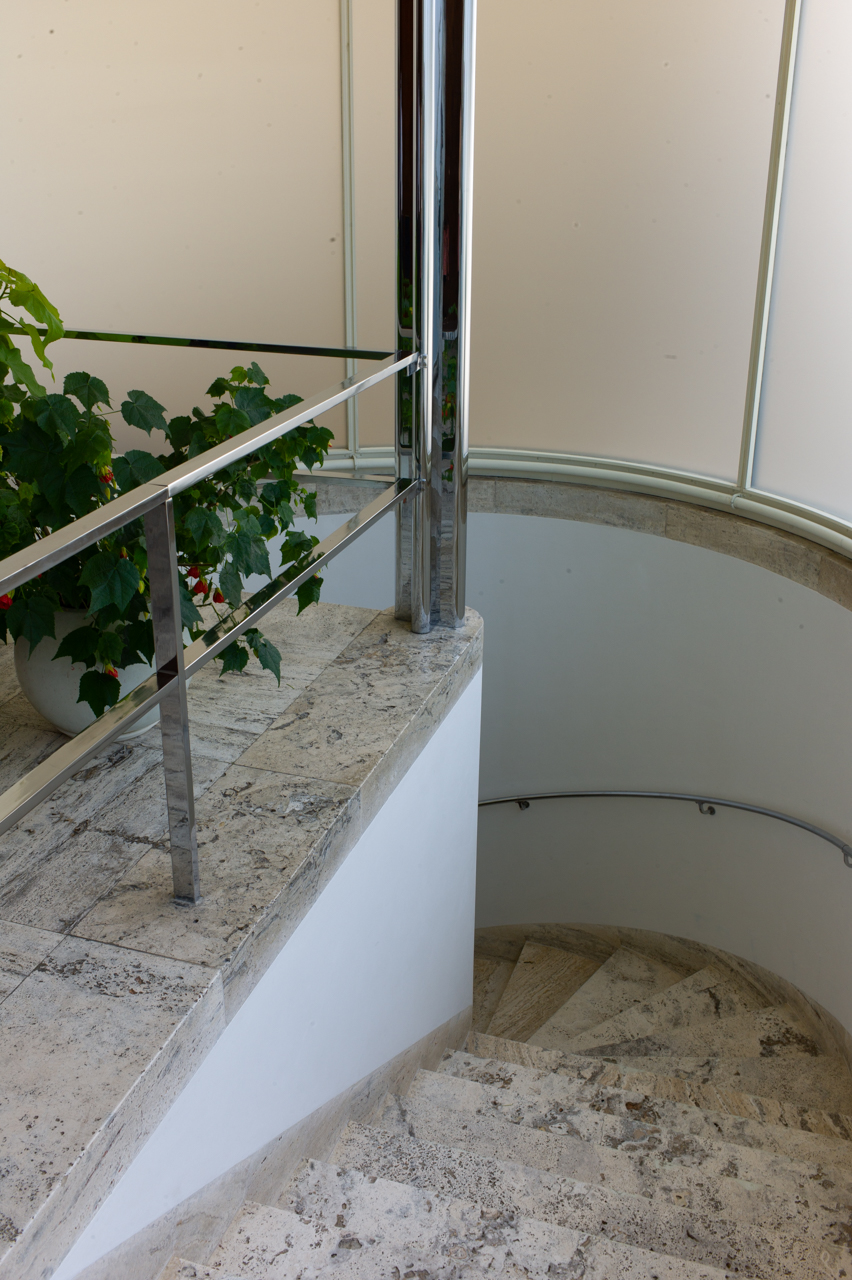
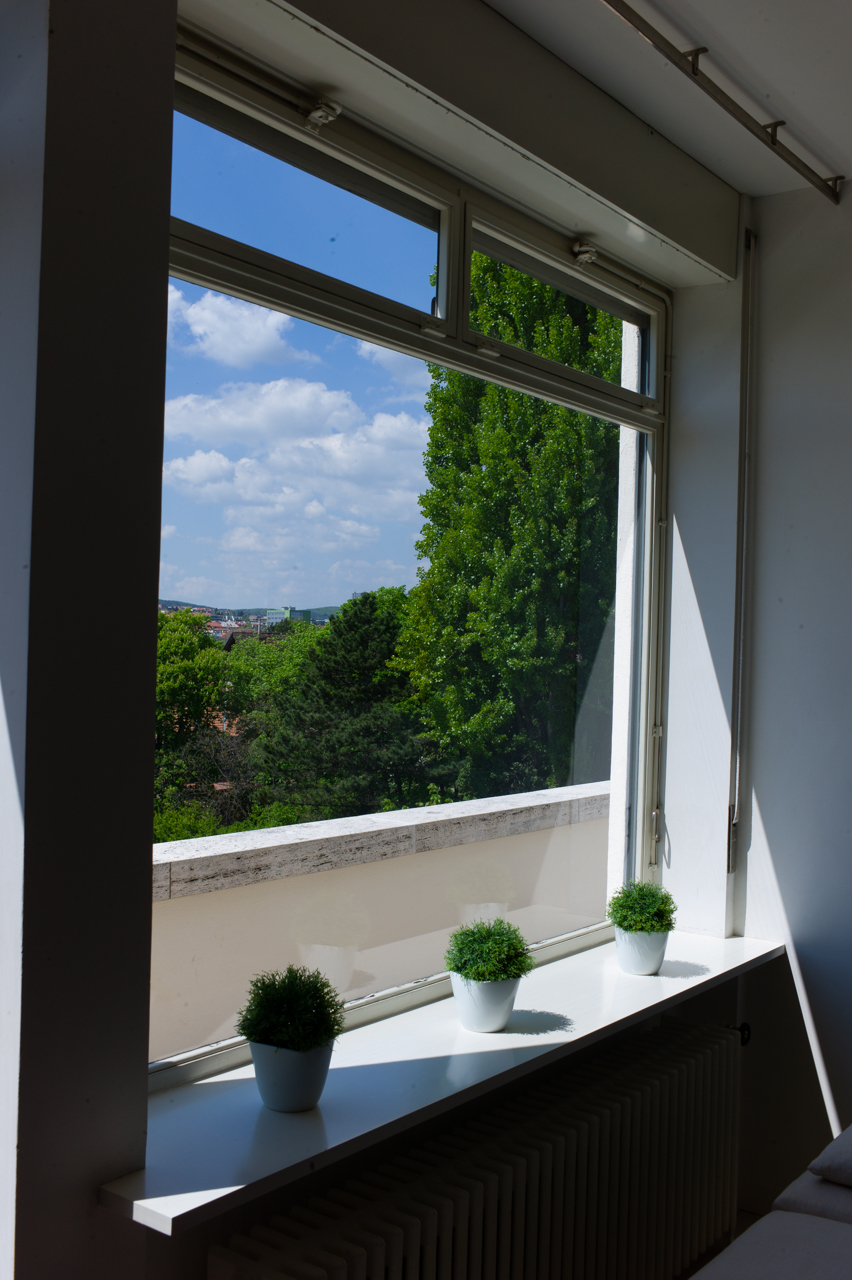
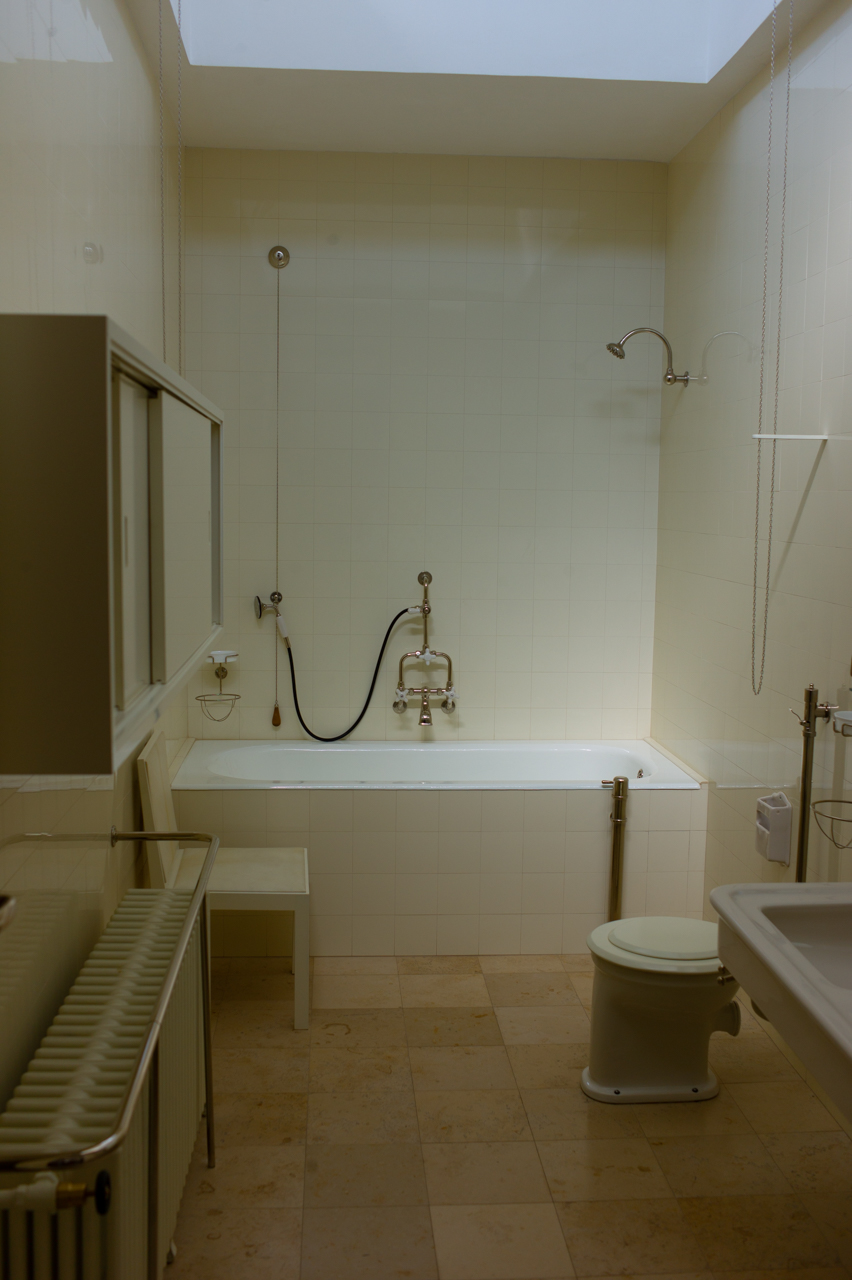
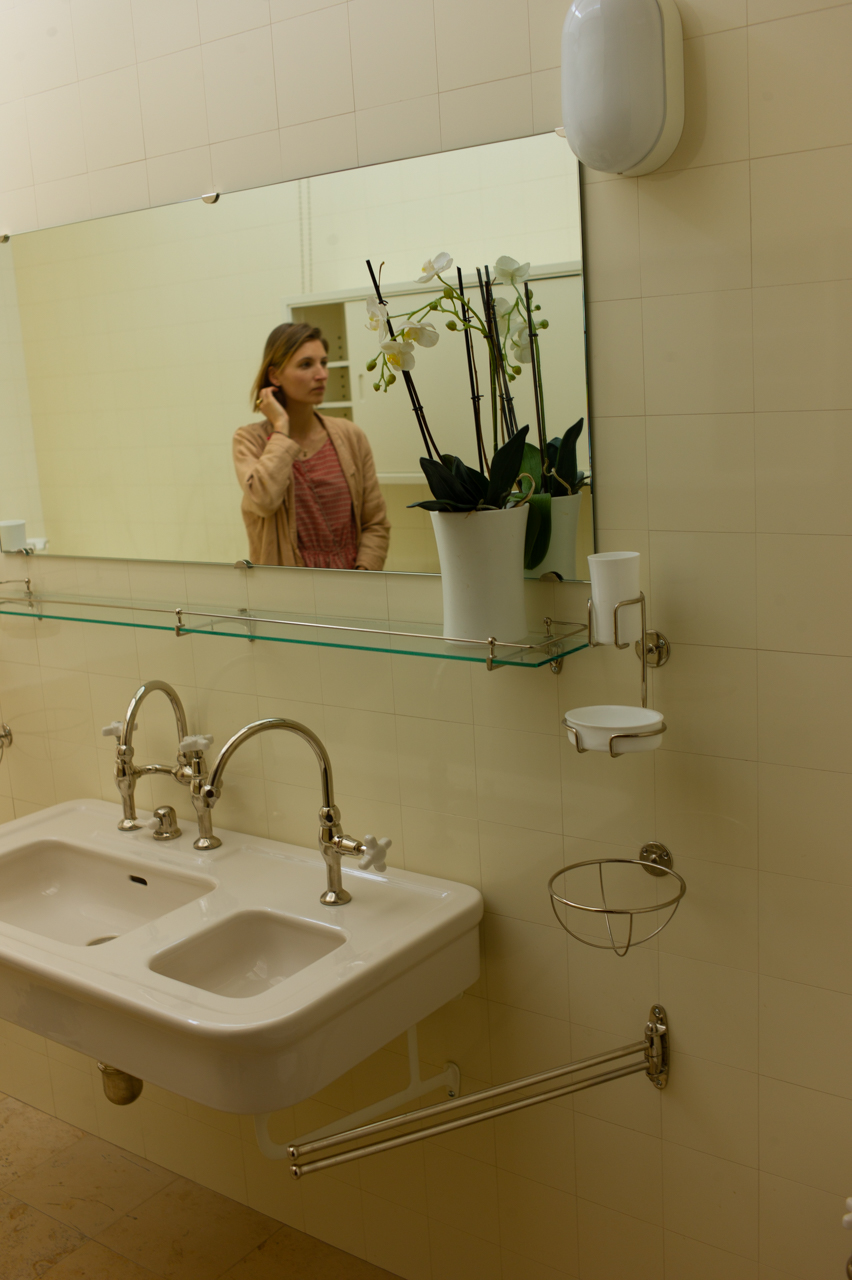
Photographs taken during a tour of the villa on 7 May 2016. Text adapted from my book Prague, Capital of the Twentieth Century, pp. 155-6.
 Camera lucida
Leave a comment