A post mostly for Czech and Bohemist friends
Maestro!
You have brought to an end a great work and are departing to eternal sleep. The Czech nation and Prague are burying you in the most sacred place, in Vyšehrad, in the most noble place … In Vyšehrad, seat of the Princess Libuše, you will talk with Bedřich Smetana, with Antonín Dvořák, with the great Mikoláš Aleš, with Jaroslav Vrchlický, with the young Jan Štursa and with the whole company of our great minds. You will look at Hradřany and Saint Vitus’s Cathedral. Dark autumn clouds will scud above your head and winter will cover the Slavín with ermine snow, but spring will come again …
The artist Max Švabinský, speaking at Alfons Mucha’s funeral on 19 July 1939. Four months earlier, on 15 March, the Nazis had occupied Prague and annexed Bohemia and Moravia to Hitler’s Third Reich.
Vyšehrad Cemetery became a national resting place for great Czech writers, artists, and musicians in the 1860s. Alfons Mucha, who is best known in the west for his contributions to Parisian art nouveau, was laid to rest in the Slavín [Pantheon], a mausoleum built in 1889-93 to honor “the most illustrious men, those exceling above all others in their efforts for the Czech nation, those who by their brilliant writings or artistic endeavors, important inventions or uncommon sacrifices, arduous battles or beneficial successes helped spread the glory of the Czech nation even beyond the borders of this our motherland.”
The phrase “a beautiful garden next door to history” is Milan Kundera’s, speaking of the music of Leoš Janáček.

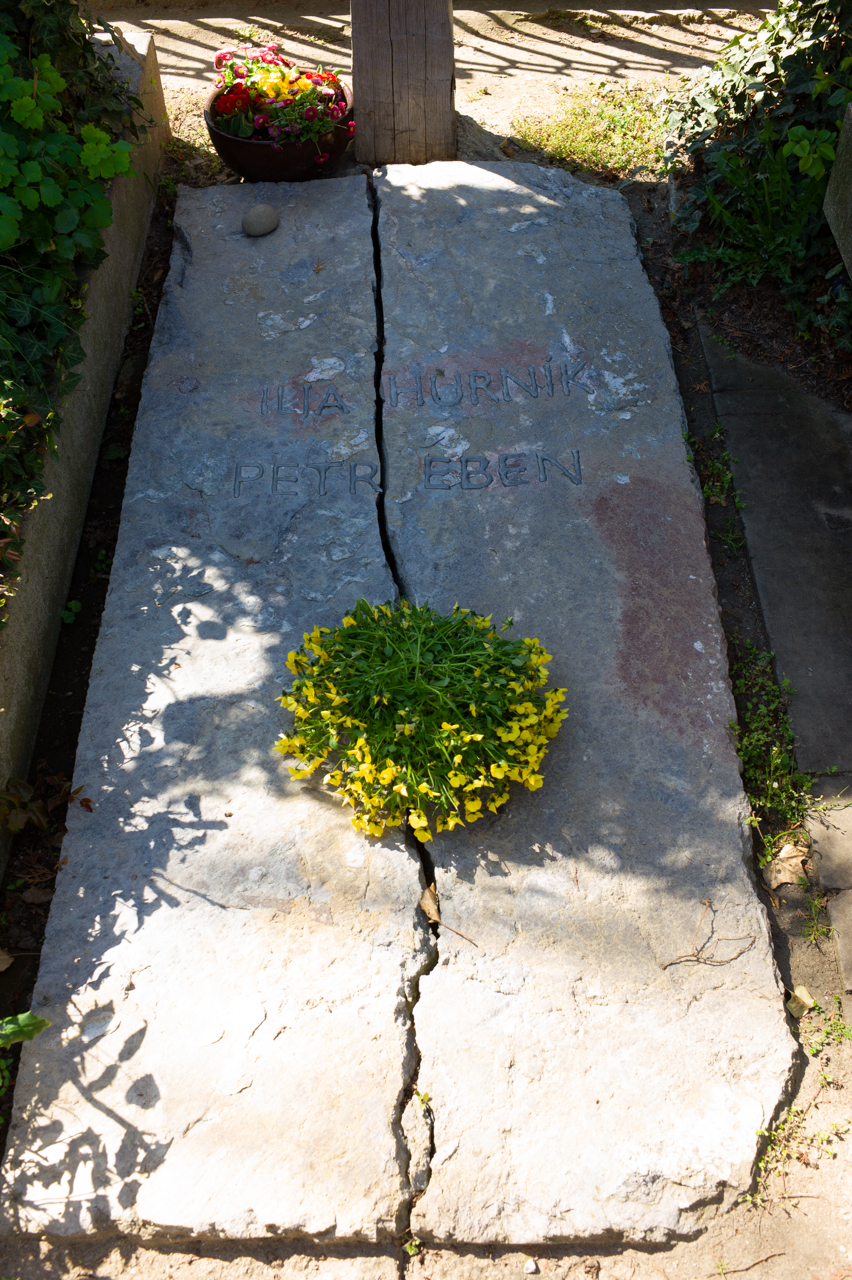


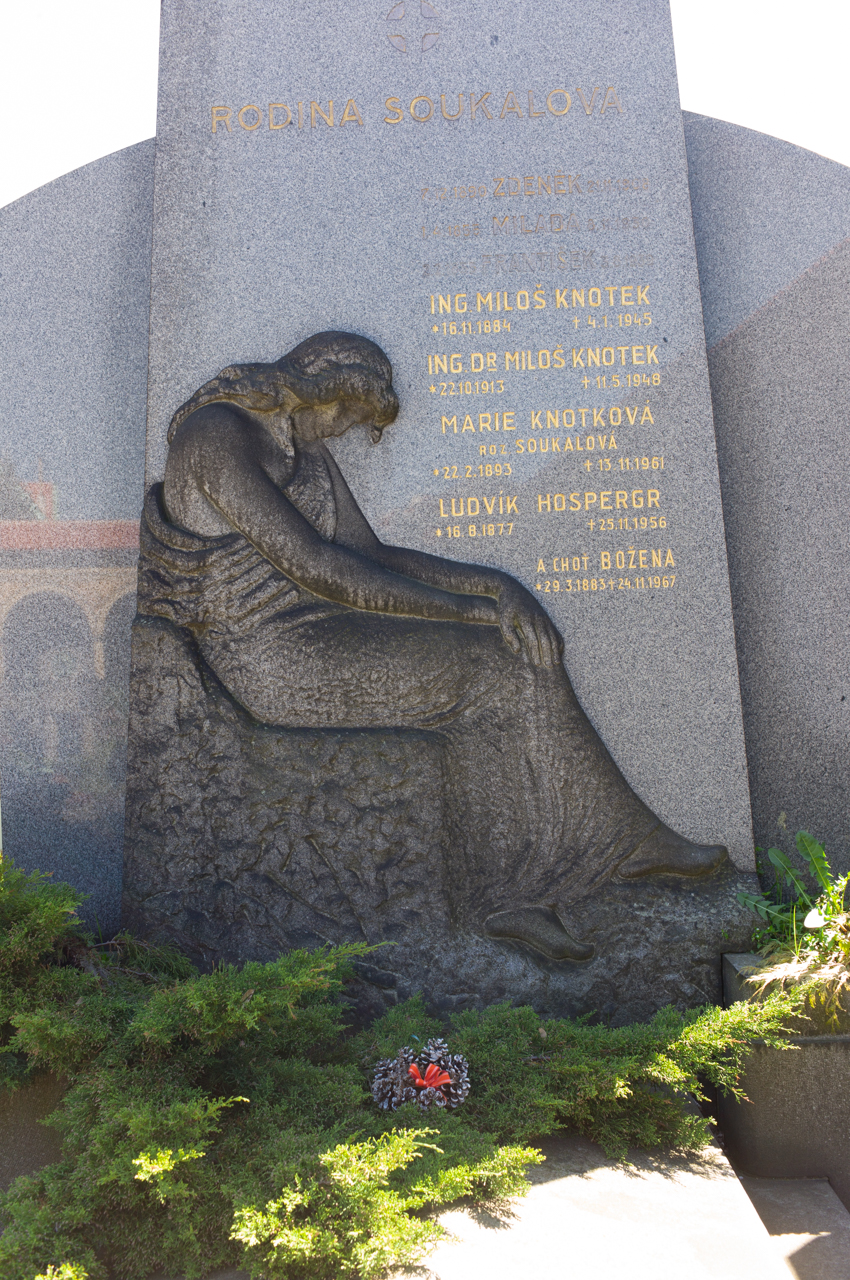

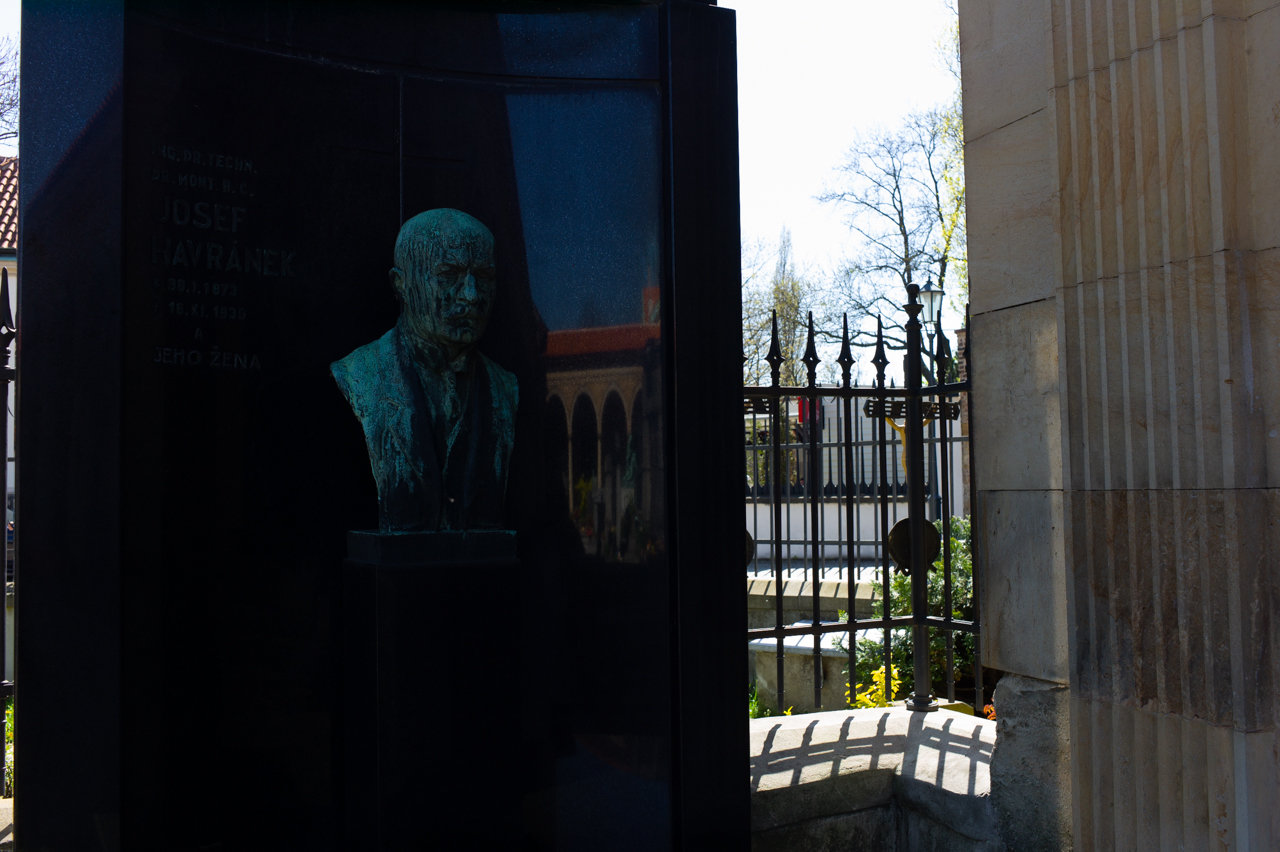

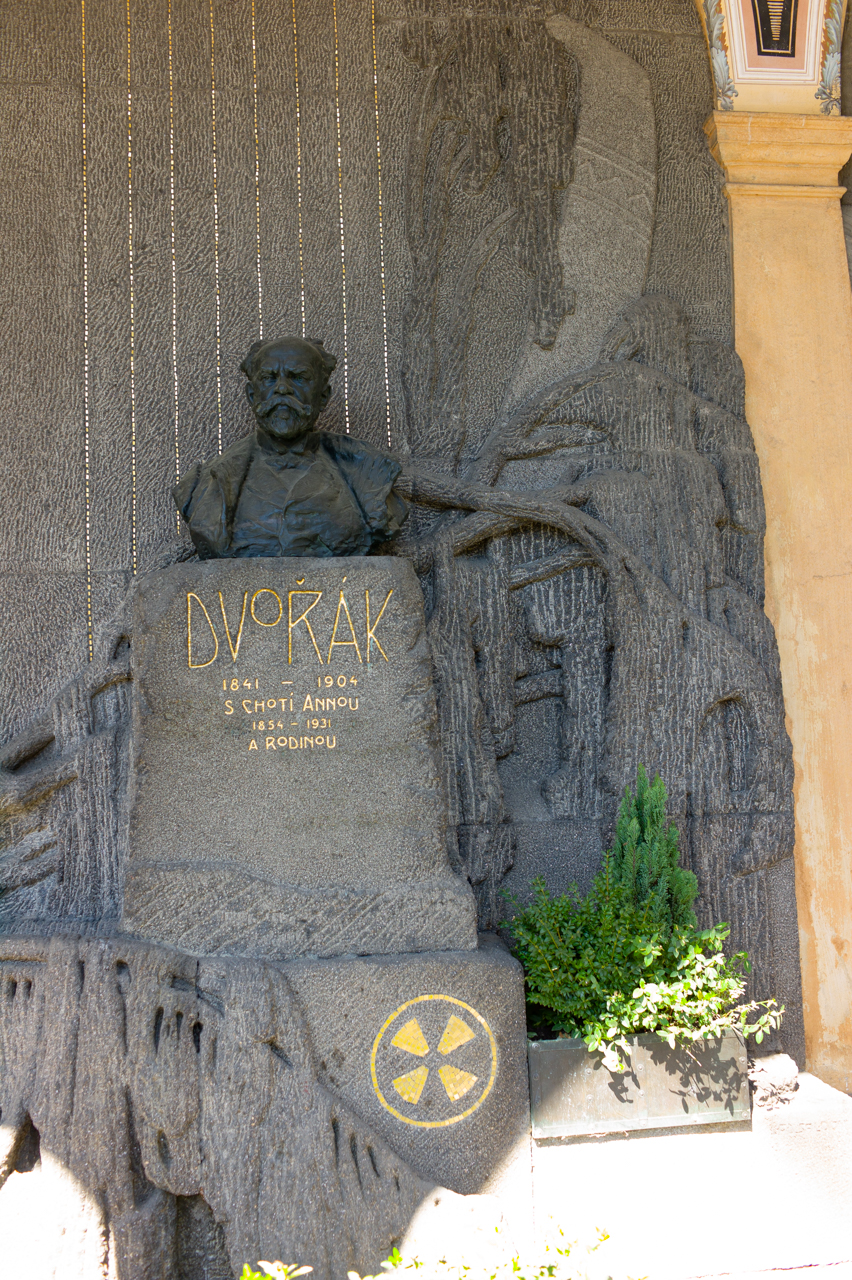


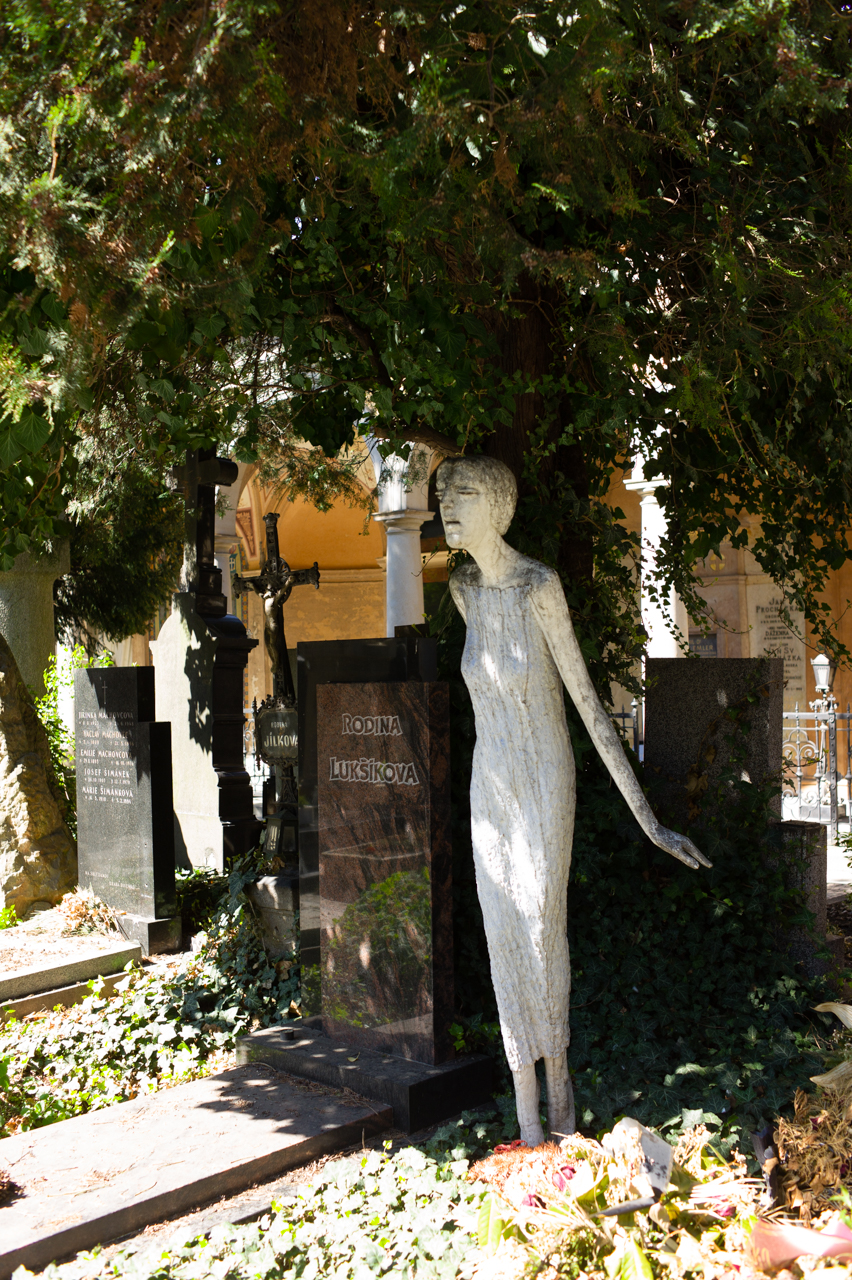


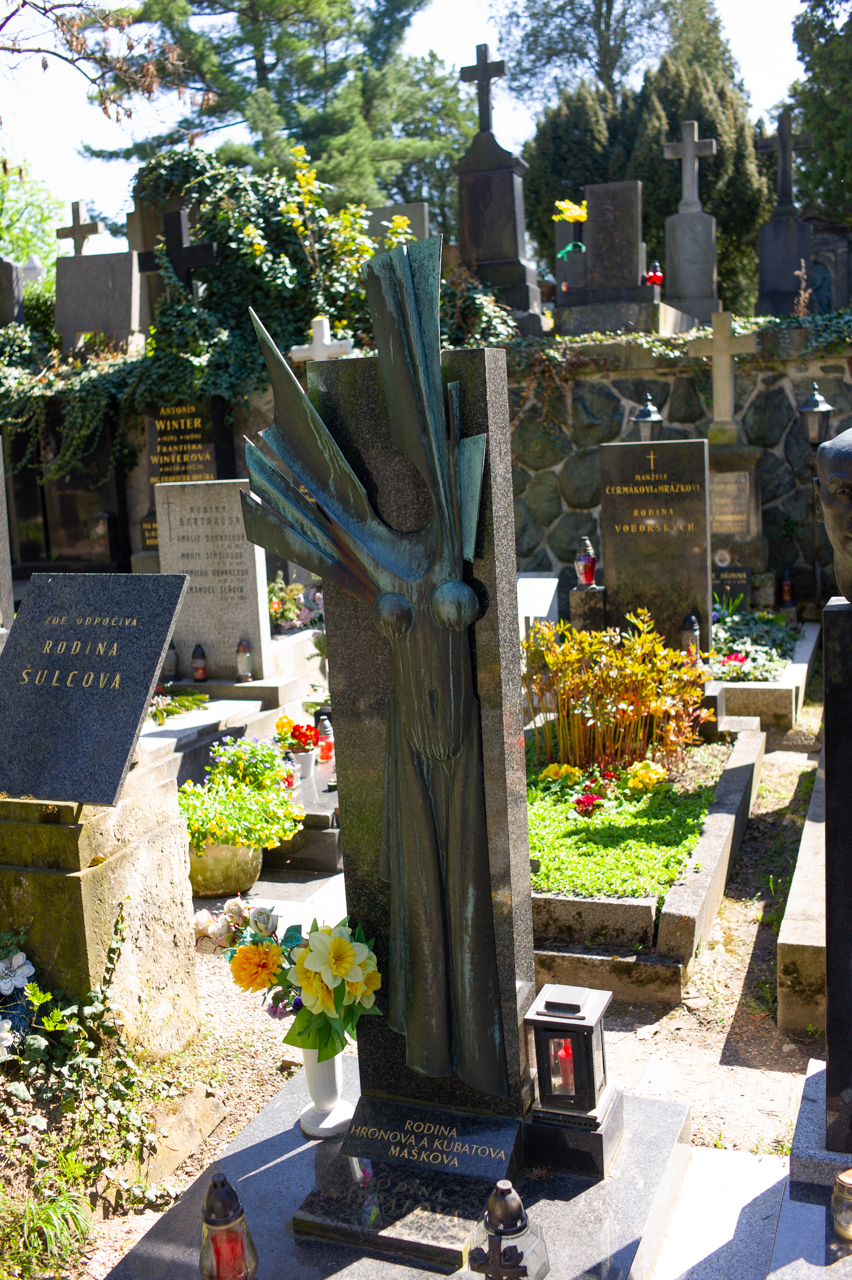


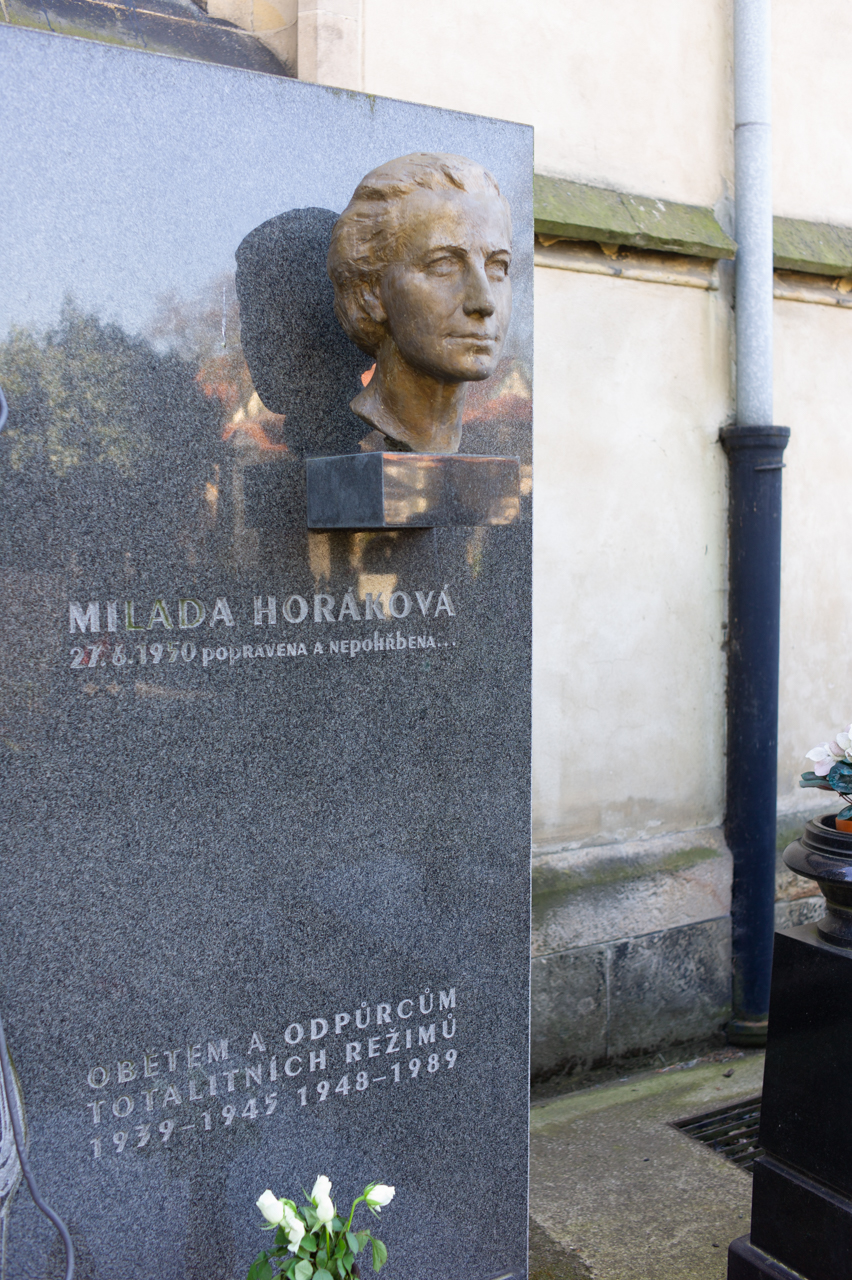


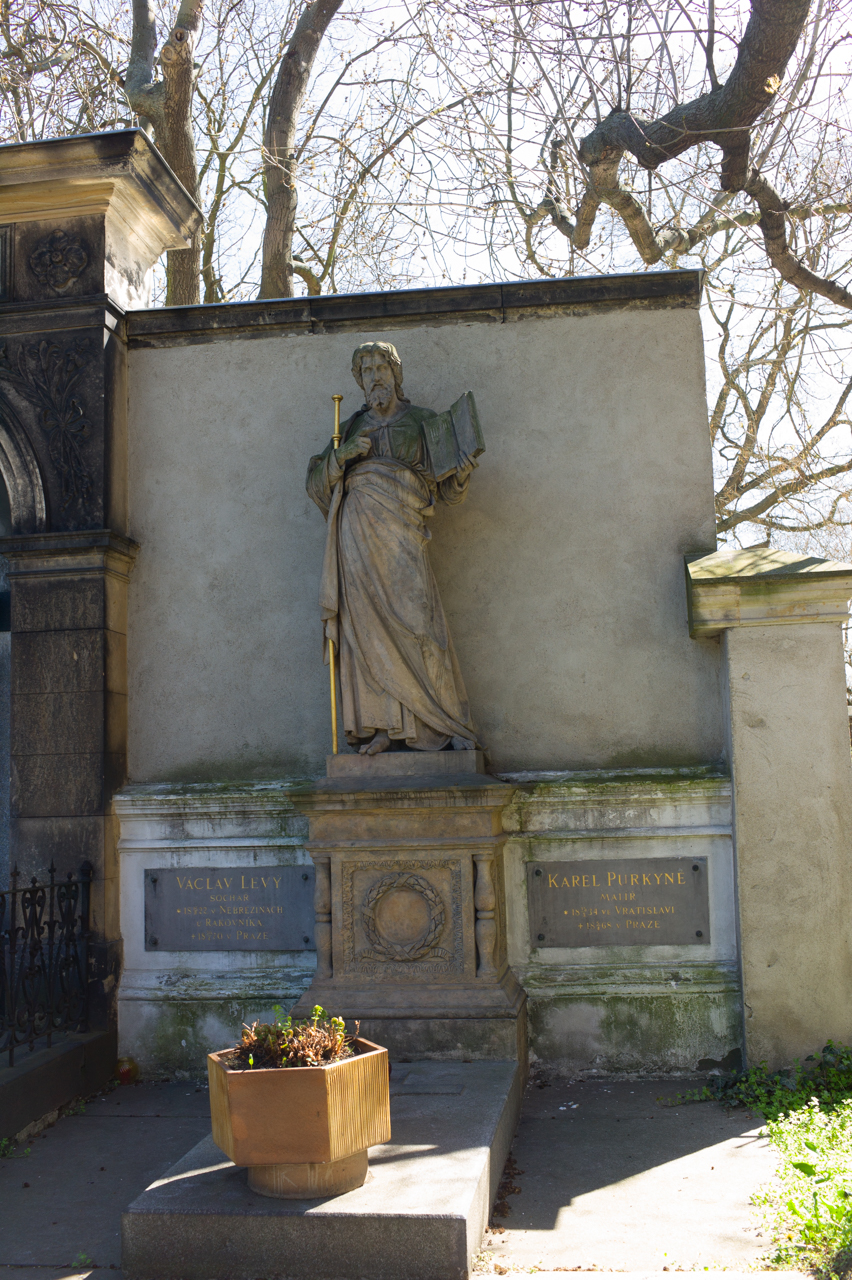

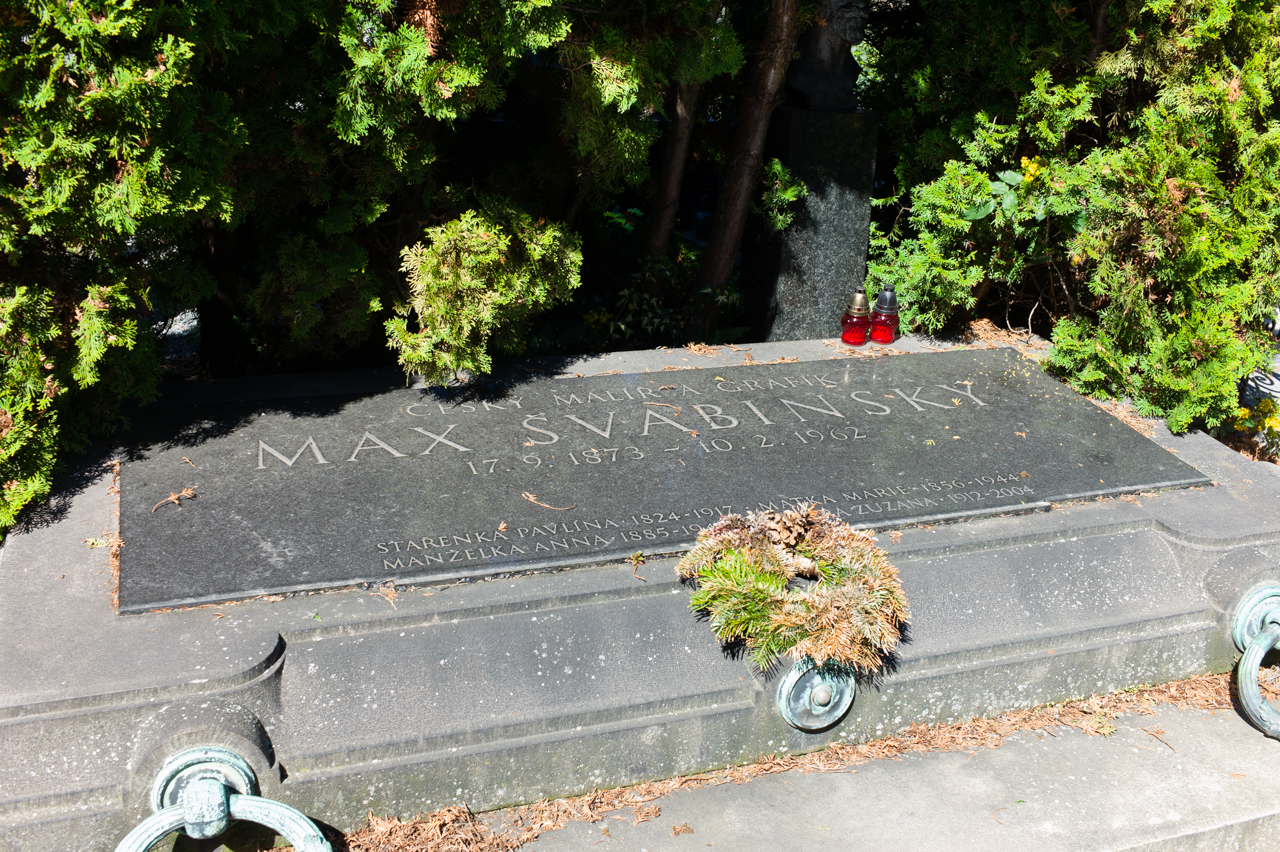
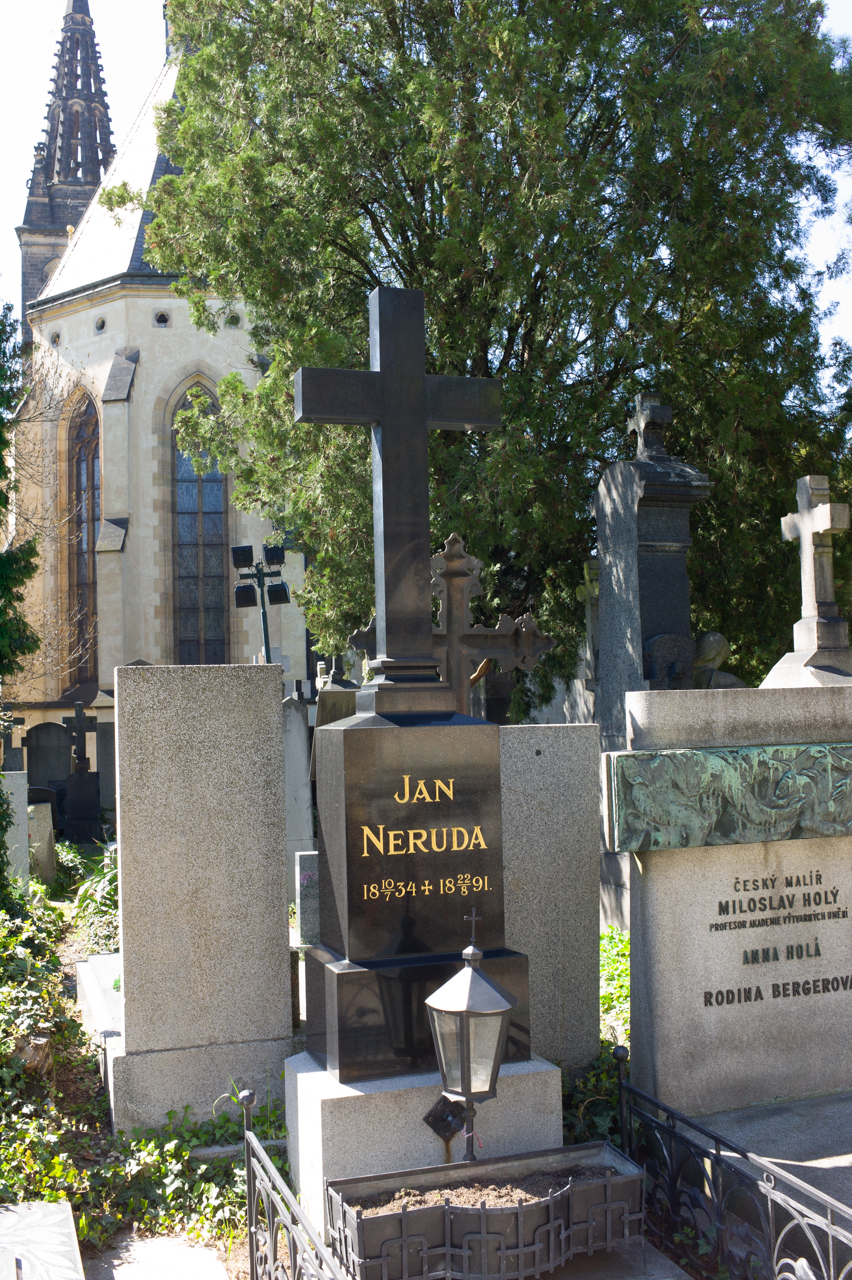

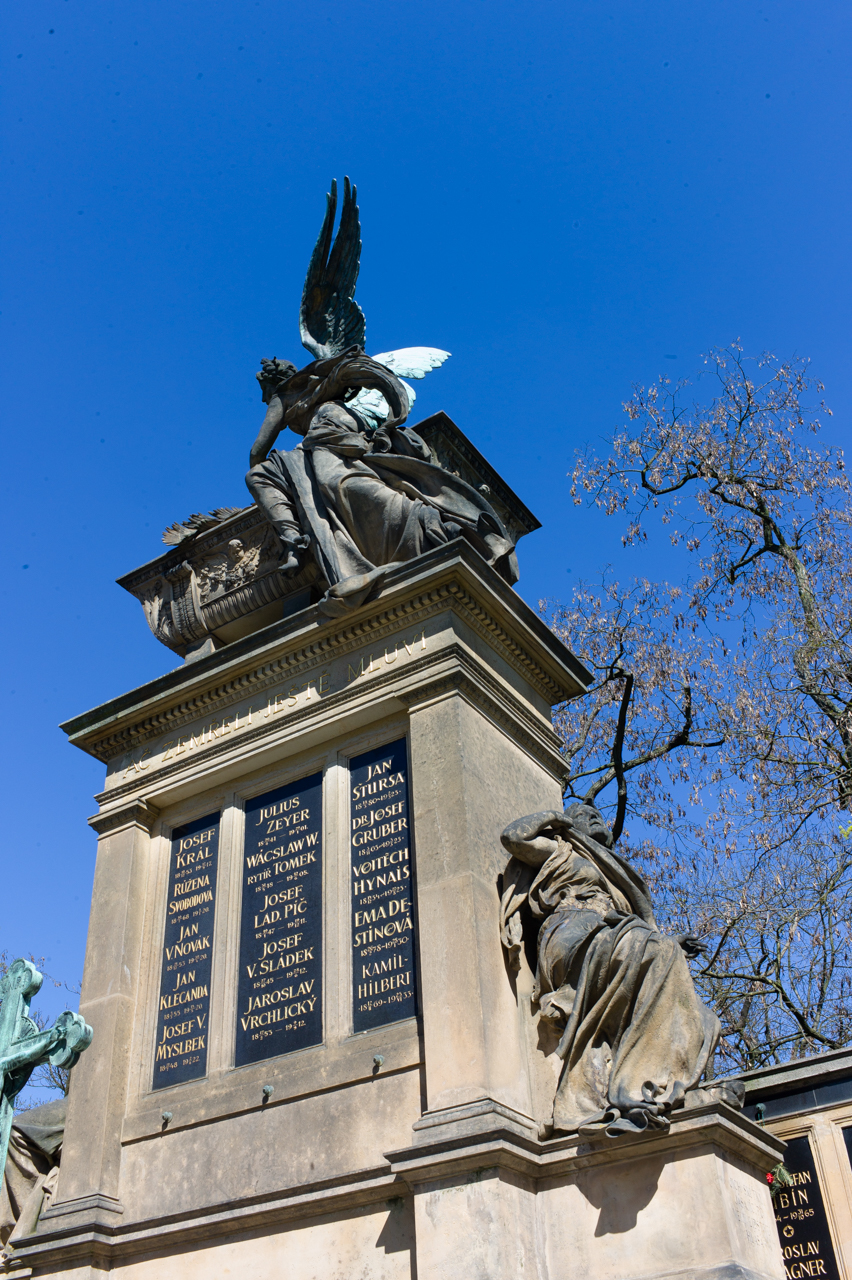

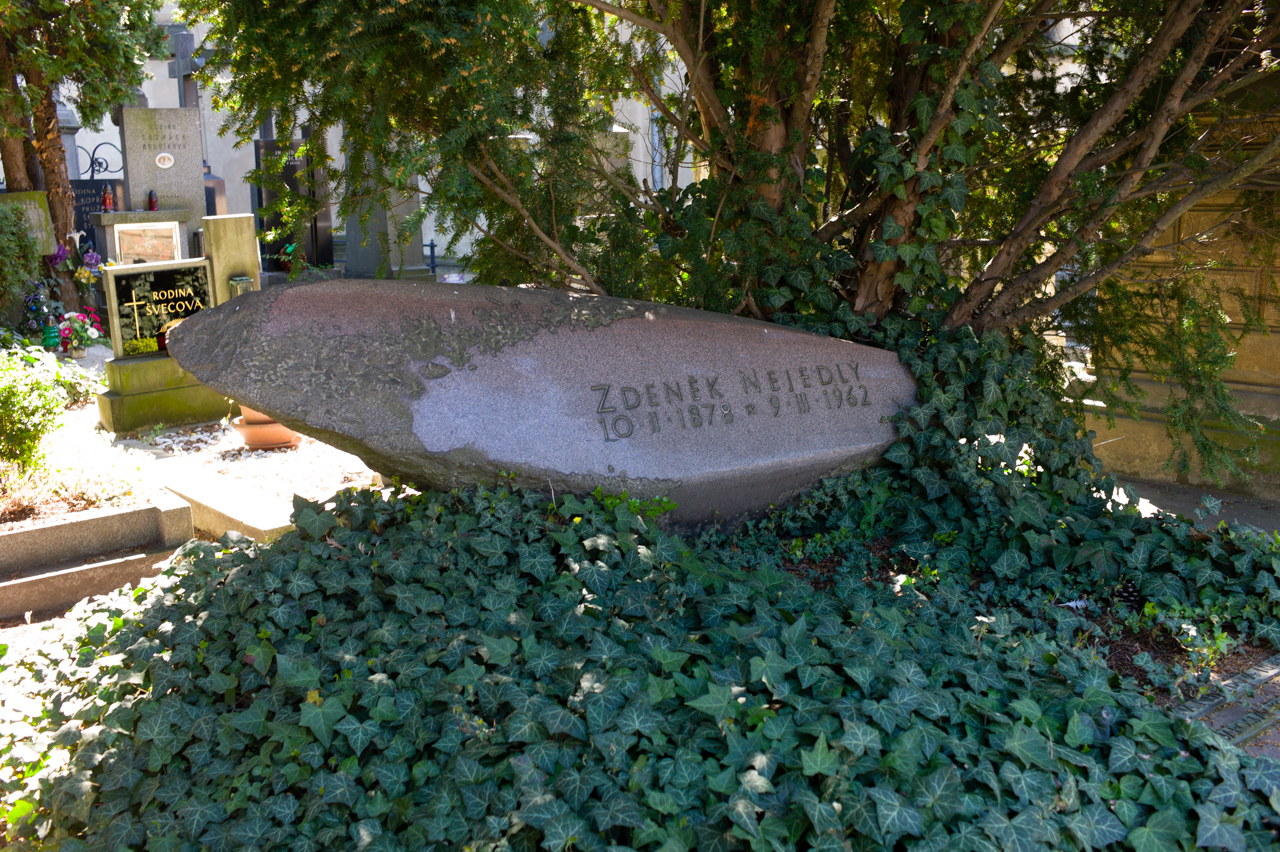
Vyšehrad Cemetery, Prague, 21 April 2016
I have written more on Vyšehrad and its inhabitants in my books The Coasts of Bohemia, pp. 18-28, and Prague, Capital of the Twentieth Century, pp. 90–99.
This is the first of three posts on Prague cemeteries. The second is here, the third here.
 Camera lucida
Leave a comment